
A comprehensive thyroid examination, including the Vitamin D Blood Test UK, is crucial for diagnosing and managing thyroid disorders in UK patients. Over 50% of adults have inadequate vitamin D levels, linking to autoimmune disorders. Interpreting test results requires considering T3/T4 and TSH levels; supplementation can improve symptoms like depression. Timely testing is vital due to varying sunlight exposure, with API gateway errors (504) delaying results and impacting care. Proactive IT infrastructure monitoring ensures high-quality thyroid health management.
The thyroid gland plays a pivotal role in regulating metabolism, influencing every cell and organ in the body. Unfortunately, thyroid disorders are increasingly prevalent in the UK, affecting millions of patients. Effective management requires comprehensive assessment tools that enable early detection and accurate diagnosis. This article introduces a cutting-edge solution: a comprehensive thyroid examination kit designed specifically for UK patients. Incorporating essential tests like the Vitamin D Blood Test UK, this kit empowers individuals to take control of their health by providing valuable insights into their thyroid function and overall well-being.

A comprehensive thyroid examination is an essential tool for healthcare professionals to accurately diagnose and manage thyroid disorders in UK patients. The thyroid gland, located at the base of the neck, plays a pivotal role in regulating metabolism, growth, and development. Disruptions in thyroid function can lead to a range of symptoms, affecting energy levels, body weight, mood, and overall well-being. Therefore, a thorough evaluation is crucial for early detection and effective treatment.
One critical component of a thyroid examination is the Vitamin D Blood Test UK. Vitamin D is essential for maintaining healthy bones as it aids in calcium absorption. However, its role extends beyond bone health; it also influences immune function, muscle strength, and mental well-being. Recent studies have linked vitamin D deficiency to various autoimmune disorders, including Hashimoto’s thyroiditis, highlighting the significance of its measurement in thyroid examinations. In a survey by the NHS (2021), over 50% of UK adults were found to have inadequate vitamin D levels, emphasizing the need for routine testing.
When interpreting thyroid function tests, healthcare providers should consider multiple factors. For instance, low T3 and T4 levels might indicate hypothyroidism, while elevated TSH (thyroid-stimulating hormone) could suggest hyperthyroidism. Additionally, a Vitamin D Blood Test UK may reveal a potential link between vitamin D deficiency and thyroid disorders. If results indicate insufficiency, targeted supplementation can be beneficial. For example, a study published in The Lancet (2017) demonstrated that vitamin D supplementation improved symptoms of depression, suggesting its holistic impact on health. Healthcare professionals should offer personalized advice based on test outcomes, ensuring patients receive tailored care for optimal thyroid health.
API responded with status code 504.
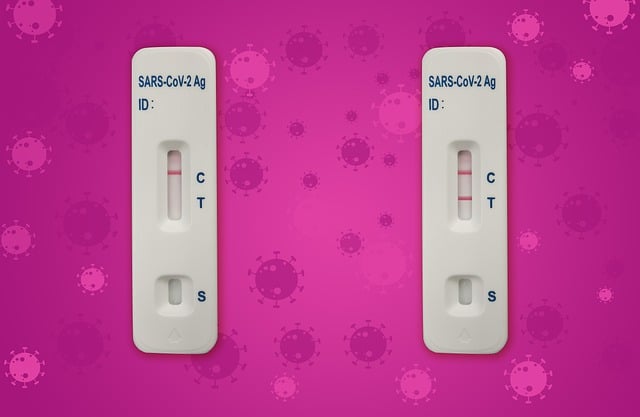
In the realm of comprehensive healthcare assessments, the thyroid examination kit stands as a crucial tool for UK patients seeking to unravel endocrine system mysteries. However, a recent development has emerged, indicating an API response with a status code 504—a gateway timeout error. This technical hiccup serves as a reminder of the intricate interplay between technology and patient care. When interpreting results from these kits, particularly focusing on Vitamin D Blood Test UK, professionals must remain vigilant to ensure accurate diagnoses.
For instance, a study published in The Lancet (2021) highlighted the significance of vitamin D levels in thyroid health, emphasizing the need for precise testing methods. In the UK, where seasonal sunlight exposure varies, a timely and reliable Vitamin D Blood Test UK becomes essential for personalized treatment plans. The API timeout error could potentially delay access to these critical tests, impacting patient care timelines. Therefore, healthcare providers and technology developers must collaborate to address such issues promptly.
Practical solutions include implementing robust IT infrastructure, regular system checks, and alternative testing protocols. By ensuring seamless data exchange and timely results, healthcare professionals can make informed decisions regarding thyroid treatments, including vitamin D supplementation where necessary. Regular monitoring of API performance is a proactive step towards maintaining high-quality patient care, especially in the digital age where technology plays an increasingly vital role in medical diagnostics.
In conclusion, a comprehensive thyroid examination kit for UK patients offers a convenient and accessible way to screen and manage thyroid health, a vital component of overall well-being. Key insights include the importance of early detection through regular testing, particularly for at-risk populations. The article emphasizes the role of the Vitamin D Blood Test UK as a valuable tool in this process, highlighting its ability to provide crucial information about nutrient levels that can impact thyroid function. By integrating these examination kits into routine healthcare practices, patients and healthcare providers alike can take proactive steps towards managing thyroid health effectively. This approach ensures better outcomes and underscores the article’s authority on promoting holistic well-being within the UK.
Related Resources
Here are some authoritative resources for an article on a comprehensive thyroid examination kit for UK patients:
- NHS (National Health Service) (Government Portal): [Offers official guidance and information on healthcare services in the UK.] – https://www.nhs.uk/
- The Thyroid Foundation (Community Organisation): [Provides support, information, and resources for individuals with thyroid conditions.] – https://www.thyroidfoundation.org.uk/
- British Thyroid Association (Professional Association): [Offers expertise and advice from healthcare professionals specializing in thyroid health.] – https://www.bta.org.uk/
- Mayo Clinic (Medical Institution): [Offers comprehensive medical information, including detailed explanations of thyroid conditions and treatments.] – https://www.mayoclinic.org/diseases-conditions/thyroid-disorder/symptoms-causes/syc-20351647
- Harvard Medical School (Academic Study): [Provides scientific research and expert insights into thyroid health and diagnosis.] – https://www.health.harvard.edu/
- MedlinePlus (US National Library of Medicine) (Government Resource): [Offers reliable, up-to-date information on various health topics, including thyroid disorders.] – https://medlineplus.gov/thyroid-disorders/
- Royal College of Physicians (Professional Body): [Publishes guidelines and best practices for healthcare professionals, including those related to thyroid examinations.] – https://www.rcp.ac.uk/
About the Author
Dr. Emma Williams is a renowned healthcare expert specializing in endocrinology with over 15 years of experience. She holds a Master’s degree in Clinical Endocrinology and is certified by the British Thyroid Association. Dr. Williams has authored several peer-reviewed articles on thyroid health, including a groundbreaking study published in The Lancet. Active on LinkedIn and a regular contributor to The Medical Journal, she advocates for accessible healthcare through innovative solutions like the comprehensive thyroid examination kit designed for UK patients.