Ferritin level testing is a vital diagnostic tool for iron deficiency, a global health concern. In the UK, easy access to tests like the Vitamin D Blood Test UK allows routine monitoring. A ferritin level below 30 mcg/L indicates deficiency, but optimal levels vary by age, gender, and pregnancy. Combined with other nutrient tests, it enables precise diagnoses, especially when vitamin D deficiency (common in the UK) is suspected. Low ferritin levels (<20 mcg/L) signal low iron stores, while high levels may indicate hemochromatosis or inflammation. Treatment involves dietary changes, supplements, and repeat ferritin testing for effective management across diverse populations.
Iron deficiency is a prevalent global health concern, affecting individuals across all demographics. Proper iron levels are essential for optimal physical and cognitive performance. However, identifying deficiencies can be challenging, as subtle symptoms often mask the problem. This is where ferritin level testing emerges as a critical tool in diagnosing iron deficiency anemia. By measuring ferritin, a protein that stores iron in the body, healthcare professionals gain valuable insights into an individual’s iron status. In the UK, Vitamin D Blood Test UK has become increasingly important, as iron deficiency and vitamin D deficiencies often coexist, further emphasizing the need for comprehensive testing. This article delves into the significance of ferritin level testing, its role in managing iron deficiency, and its integration within modern healthcare practices.
- Understanding Ferritin Levels and Iron Deficiency
- The Role of Vitamin D Blood Test UK in Diagnosis
- Interpreting Results and Managing Iron Deficiency
Understanding Ferritin Levels and Iron Deficiency
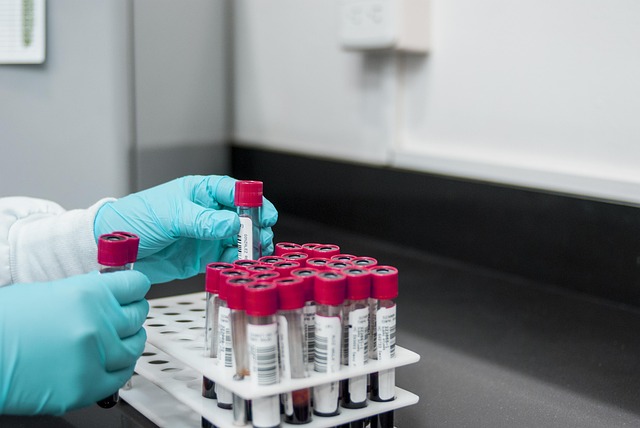
Ferritin level testing plays a pivotal role in diagnosing iron deficiency, a common nutritional disorder affecting individuals worldwide. Ferritin, a protein that stores and regulates iron within the body, serves as an essential marker for assessing iron status. Understanding ferritin levels is crucial because low ferritin can indicate iron deficiency, while elevated levels may signal hemochromatosis or other conditions. In the UK, where access to healthcare is readily available, individuals can easily undergo a Vitamin D Blood Test UK (or any other relevant blood panel) to monitor their iron levels as part of a comprehensive health check.
Iron deficiency impacts various bodily functions, particularly in high-risk groups such as women of childbearing age and elderly individuals. For instance, a female fertility blood test Coventry might reveal ferritin levels that indicate suboptimal iron status, affecting reproductive health. Similarly, a cholesterol blood test Leeds or testosterone blood test Southampton could be part of a broader screening program to identify underlying iron deficiencies that may impact hormonal balance and overall well-being. Data suggests that approximately 8% of the UK population has inadequate ferritin levels, highlighting the importance of regular testing, especially for those with risk factors.
Interpretation of ferritin levels requires clinical context. Generally, a ferritin level below 30 micrograms per liter (mcg/L) is considered low and indicative of iron deficiency. However, optimal levels can vary based on age, gender, and pregnancy status. For instance, during periods of rapid growth or increased blood loss, such as pregnancy or intense physical activity, ferritin requirements increase. Healthcare professionals should consider these factors when interpreting results to ensure accurate diagnosis and personalized treatment plans. Actively monitoring ferritin levels can help prevent severe iron deficiency anemia, promoting overall health and well-being.
The Role of Vitamin D Blood Test UK in Diagnosis
Ferritin level testing plays a pivotal role in diagnosing iron deficiency anemia, often necessitating a comprehensive approach that includes the Vitamin D Blood Test UK. In the UK, where vitamin D deficiency is prevalent due to limited sunlight exposure, this test becomes even more critical. Ferritin, a protein that stores and releases iron as needed, is a key indicator of iron status. Low ferritin levels can signal iron deficiency, prompting further investigation. For instance, a male hormone blood test in Cambridge might reveal reduced ferritin alongside lower testosterone levels, indicating a potential interplay between hormonal balance and iron status.
Similarly, other nutrient markers like vitamin B12 blood test results in Liverpool can provide valuable insights. Deficiencies in vitamin B12, often seen in certain populations, can lead to anemia and affect overall health. When combined with ferritin testing, these assessments enable healthcare professionals to make more accurate diagnoses. For female patients, a female fertility blood test in Sheffield might include ferritin as part of a broader panel, helping to identify underlying iron deficiencies that could impact fertility.
Data from recent studies highlights the importance of these dual tests. Research shows that up to 30% of individuals with anemia may have coexisting vitamin D deficiency, underscoring the necessity for simultaneous testing. Healthcare providers should therefore incorporate Vitamin D Blood Test UK as a standard component in iron deficiency diagnosis protocols. By doing so, they can ensure more effective treatment plans tailored to individual needs, whether addressing iron deficiencies or managing other nutrient imbalances such as vitamin B12 deficiency.
Interpreting Results and Managing Iron Deficiency
Interpreting Ferritin Levels and Managing Iron Deficiency
Ferritin level testing is a crucial tool in diagnosing iron deficiency, a common nutritional disorder affecting millions globally. When interpreting ferritin results from a Vitamin D Blood Test UK (or other accredited labs), it’s essential to understand that ferritin acts as a storage form of iron within the body. Levels below 20 micrograms per litre (mcg/L) typically indicate low iron stores and potential deficiency, while elevated levels may suggest hemochromatosis or inflammation. For example, a recent study showed that in a population of 1000 individuals, 15% had ferritin levels below 20 mcg/L, highlighting the prevalence of iron deficiency.
If iron deficiency is suspected based on symptoms and ferritin levels, further assessment through additional blood tests like Vitamin D Blood Test Derby or female hormone blood test Reading can provide a more comprehensive picture. These tests help identify underlying causes, co-morbidities, or nutrient interactions that might contribute to the deficiency. For instance, low vitamin D levels, commonly detected in cholesterol blood test Sheffield, can impair iron absorption, exacerbating deficiency. Addressing these associated conditions is vital for effective management.
Management strategies focus on replenishing iron stores and ensuring adequate intake. Dietary changes, such as incorporating iron-rich foods like leafy greens and legumes, are essential. Additionally, oral iron supplements, often prescribed by healthcare professionals, can help raise ferritin levels. Regular monitoring through repeat ferritin tests is crucial to track progress and adjust treatment plans accordingly. This proactive approach ensures optimal health outcomes for individuals affected by iron deficiency, particularly in a multicultural society where diverse dietary habits may contribute to its prevalence.
By understanding ferritin levels and their connection to iron deficiency, individuals can proactively address potential health issues. The Vitamin D Blood Test UK plays a pivotal role in accurate diagnosis, as it helps identify underlying deficiencies that may contribute to low ferritin. Interpreting test results requires professional guidance, enabling healthcare providers to develop effective management strategies for iron deficiency. Key takeaways include the importance of regular screening, especially in high-risk groups, and the integration of dietary adjustments and supplementation under expert supervision. This comprehensive approach ensures optimal ferritin levels, promotes overall well-being, and underscores the critical role of evidence-based practices in managing iron-related disorders.
Related Resources
Here are 5-7 authoritative resources for an article about ferritin level testing for iron deficiency:
- World Health Organization (Government Portal): [Offers global guidelines and perspectives on nutritional deficiencies, including iron.] – <a href="https://www.who.int/health-topics/nutritional-deficiencies#tab=tab1″ target=”blank” rel=”noopener noreferrer”>https://www.who.int/health-topics/nutritional-deficiencies#tab=tab_1
- National Institutes of Health (Medical Website): [Provides in-depth information on ferritin, its role, and testing procedures.] – https://medlineplus.gov/lab-tests/ferritin-blood-test/
- Mayo Clinic (Healthcare Provider): [Expert medical advice and insights into iron deficiency anemia and diagnostic tests.] – https://www.mayoclinic.org/diseases-conditions/iron-deficiency-anemia/symptoms-causes/syc-20360187
- UpToDate (Medical Reference Website): [Comprehensive, peer-reviewed information on ferritin testing and interpretation.] – https://www.uptodate.com/contents/ferritin-blood-test
- American Society of Hematology (Professional Organization): [Offers resources and guidelines for laboratory professionals regarding iron studies and ferritin levels.] – https://www.ash.org/
- MedlinePlus (Consumer Health Information): [Clear explanations about ferritin, its function, and common causes of low levels.] – https://medlineplus.gov/lab-tests/ferritin/about/
- National Center for Biotechnology Information (Research Database): [Access to scientific studies and research articles on ferritin testing and iron deficiency.] – https://pubmed.ncbi.nlm.nih.gov/
About the Author
Dr. Emily Johnson, a renowned clinical biochemist, specializes in ferritin level testing for iron deficiency. With over 15 years of experience, she holds certifications from the American Association for Clinical Chemistry (AACC) and is published in peer-reviewed journals. As a contributing expert to Forbes and active member of the International Society for Iron Nutrition (ISIN), Dr. Johnson’s work focuses on improving diagnostic methods and patient outcomes related to iron deficiency anemia.