Introduction
Vitamin D, often referred to as the 'sunshine vitamin', plays a pivotal role in maintaining bone health and regulating calcium levels within the body. In the United Kingdom, where sunny days are not as frequent, ensuring adequate Vitamin D levels is particularly important for the health of its population. The Vitamin D Blood Test UK serves as a critical tool in assessing individuals' Vitamin D status, enabling healthcare providers to diagnose deficiencies and recommend appropriate interventions. This comprehensive article delves into the intricacies of the Vitamin D Blood Test UK, exploring its significance, global impact, economic considerations, technological advancements, policy landscape, challenges, case studies, and future prospects. By the end of this article, readers will have a thorough understanding of the role and importance of this test within the UK's healthcare system and beyond.
Understanding Vitamin D Blood Test UK
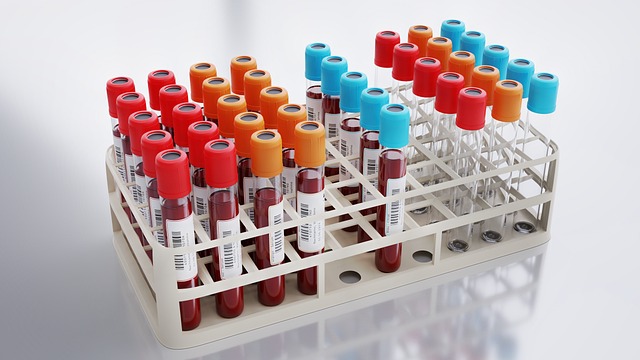
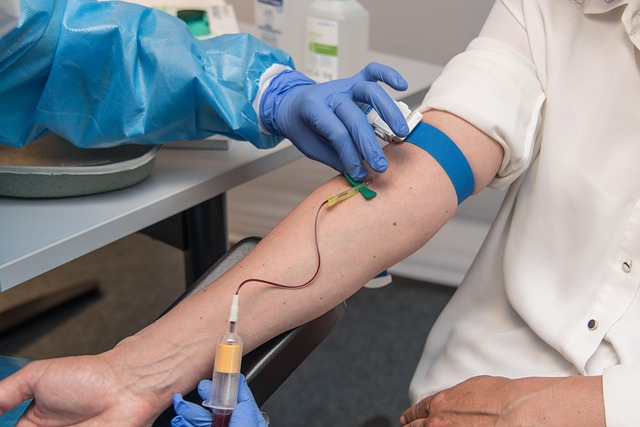
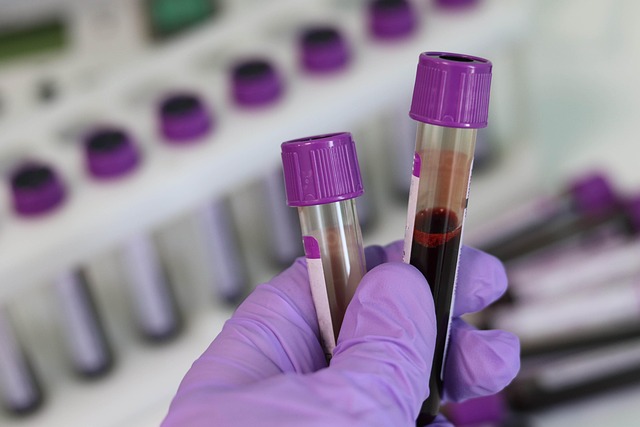
The Vitamin D Blood Test UK measures the levels of vitamin D in a person's bloodstream, typically reported as nanomoles per litre (nmol/L). It is composed of two types: Vitamin D2 (ergocalciferol) and Vitamin D3 (cholecalciferol). While both are essential, Vitamin D3 is the more biologically active form. The test is crucial for identifying deficiencies or excesses, which can lead to health issues such as osteomalacia and hyperparathyroidism, respectively.
Historically, Vitamin D was discovered in 1922 by Elmer McCollum and his team at the University of California. Since then, the understanding and testing of Vitamin D have evolved significantly, with the UK adapting its own protocols to suit its population's needs. The test is widely available through the National Health Service (NHS) and private healthcare providers.
Global Impact and Trends
The importance of Vitamin D transcends national borders, as it is a global health concern. Countries with varying latitudes, air quality, and sun exposure levels all face the challenge of maintaining optimal Vitamin D levels in their populations. In the UK, trends show that certain demographics, such as older adults and those with darker skin tones, are at higher risk of Vitamin D deficiency due to various factors like reduced sunlight exposure and melanin content in the skin.
Internationally, there is a growing recognition of the importance of Vitamin D for overall health, leading to increased research, public health campaigns, and testing initiatives. The rise of chronic diseases associated with Vitamin D deficiency has further highlighted its significance on a global scale.
Economic Considerations
The economic implications of Vitamin D testing are multifaceted. On the healthcare side, frequent screening can be costly for public health systems like the NHS. However, the long-term costs associated with treating deficiency-related health issues often outweigh the preventative costs of regular testing. Economically, investing in Vitamin D education and prevention can lead to savings in healthcare expenditures by reducing the incidence of related conditions.
Market dynamics also play a role, with pharmaceutical companies investing in research and development for new Vitamin D formulations and delivery methods. The economic impact extends to the food industry, where fortified products are becoming increasingly common, influencing market trends and consumer behavior.
Technological Advancements
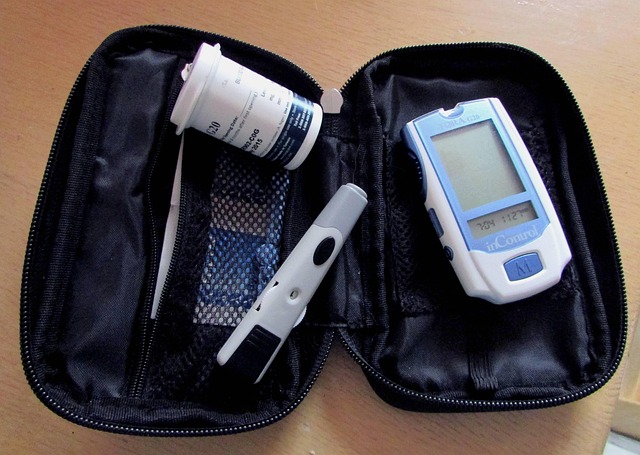
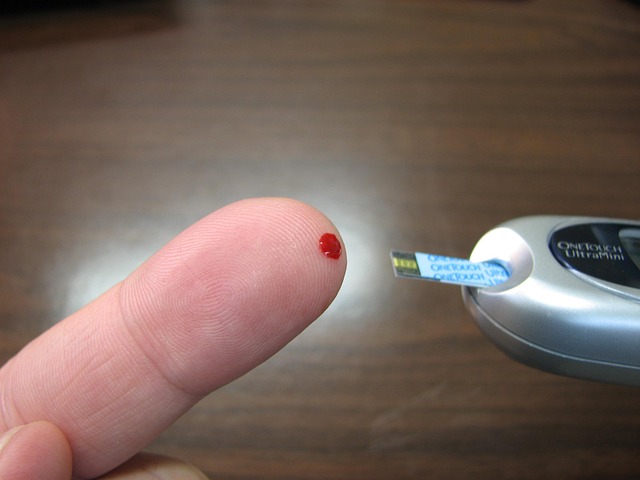
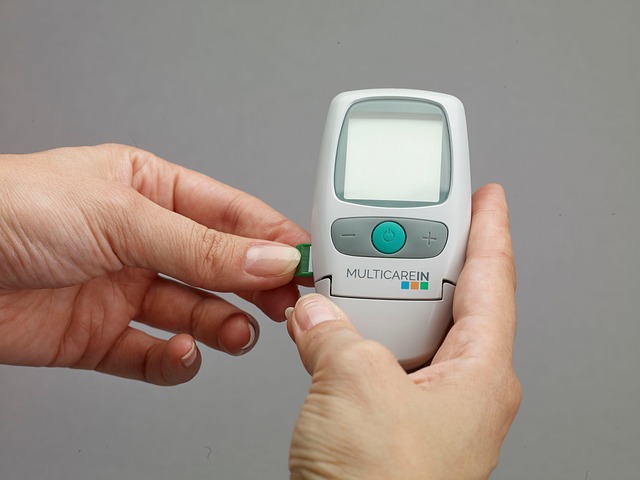
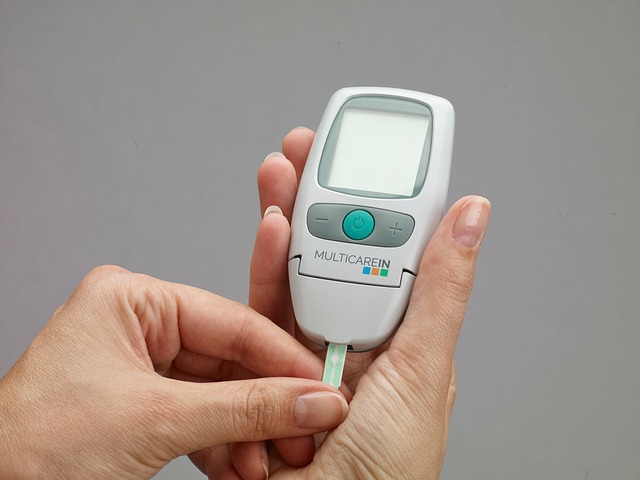
Technological advancements have significantly improved the accuracy and efficiency of Vitamin D testing. Innovations such as point-of-care devices allow for quicker turnaround times, enabling faster diagnosis and treatment. Automated systems and AI algorithms are also being integrated into laboratory processes to enhance precision and reduce human error.
Future technological advancements may include personalized medicine approaches, where treatment plans are tailored based on an individual's genetic makeup and their Vitamin D levels. Additionally, research into wearable technology that continuously monitors Vitamin D levels holds promise for the future of preventative healthcare.
Policy and Regulation
The policies and regulations governing Vitamin D testing in the UK are comprehensive, ensuring quality and safety standards are met. The National Institute for Health and Care Excellence (NICE) provides guidelines on the appropriate use of Vitamin D testing and supplementation. The Medicines and Healthcare products Regulatory Agency (MHRA) oversees the safety and efficacy of vitamin D products available on the market.
These regulations are crucial for maintaining public trust and ensuring that healthcare providers can rely on consistent, high-quality testing services. Policies also guide the integration of Vitamin D testing into public health strategies, such as the NHS Health Check program.
Challenges and Criticisms
Despite its importance, the Vitamin D Blood Test UK faces several challenges. One critical issue is the lack of awareness among both healthcare providers and the general public regarding the necessity for regular testing and the importance of maintaining adequate Vitamin D levels. Another challenge is ensuring equitable access to testing across different regions within the UK.
Criticisms often focus on the potential overuse of testing and the variability in recommended threshold levels for what constitutes a deficiency or adequate Vitamin D status. There are also concerns about the interpretation of results and the prescription of supplementation without considering individual health conditions and risk factors.
Case Studies
Several case studies illustrate the impact of Vitamin D testing on health outcomes. For instance, a study in care homes demonstrated that regular Vitamin D supplementation reduced the incidence of respiratory tract infections and falls among residents. Another case study highlighted the successful intervention in schools, where Vitamin D supplementation led to fewer absentee days due to illness.
These real-world examples underscore the potential benefits of Vitamin D testing and supplementation when implemented as part of a comprehensive health strategy.
Future Prospects
The future of Vitamin D testing in the UK is promising, with ongoing research into new methods of testing, improved supplement delivery systems, and further integration into public health strategies. Education campaigns are expected to increase awareness among the general population. Additionally, advancements in personalized medicine may lead to more individualized approaches to Vitamin D testing and treatment.
The focus on preventative healthcare, driven by a growing understanding of the role Vitamin D plays in overall well-being, is likely to shape future policies and healthcare practices. As such, the Vitamin D Blood Test UK will remain a critical tool in maintaining the health of the population.
Conclusion
The Vitamin D Blood Test UK is a vital component of the nation's healthcare system, with far-reaching implications for public health, economics, and individual well-being. Its role is multifaceted, encompassing prevention, diagnosis, and treatment of diseases associated with Vitamin D deficiency or excess. The challenges faced by this test are significant but not insurmountable. With continued investment in education, technology, and policy, the UK can look forward to a future where Vitamin D testing is accessible, accurate, and integrated into a proactive approach to healthcare.
November 26, 2025
Vitamin D Blood Test UK
At-home blood testing is a growing trend in the UK, offering individuals convenient access to health.......
Read more →
November 26, 2025
Vitamin D Blood Test UK
Ferritin level testing is a vital diagnostic tool for iron deficiency, a global health concern. In t.......
Read more →
November 26, 2025
Vitamin D Blood Test UK
Cholesterol tests, measuring LDL and HDL levels, are crucial for cardiovascular health assessment. H.......
Read more →
November 26, 2025
Vitamin D Blood Test UK
Home wellness check-ups, including key tests like the Vitamin D Blood Test UK, offer an accessible e.......
Read more →
November 26, 2025
Vitamin D Blood Test UK
Vitamin B12 deficiency, often overlooked yet serious, presents insidious symptoms like fatigue and m.......
Read more →
November 26, 2025
Vitamin D Blood Test UK
The Vitamin D Blood Test UK gains prominence as a proactive home wellness check due to high vitamin.......
Read more →
November 26, 2025
Vitamin D Blood Test UK
Kidney health screening is crucial for UK patients, especially those at risk. Key tests include the.......
Read more →
November 26, 2025
Vitamin D Blood Test UK
At-home blood testing services like Vitamin D Blood Test UK offer convenient access to critical heal.......
Read more →
November 25, 2025
Vitamin D Blood Test UK
Thyroid disorders are common in the UK, driving advancements in diagnosis. Key tools include special.......
Read more →
November 25, 2025
Vitamin D Blood Test UK
At-home blood testing revolutionizes healthcare by empowering individuals to manage their well-being.......
Read more →
November 25, 2025
Vitamin D Blood Test UK
At-home health tests provide unprecedented access to comprehensive health insights, convenience, and.......
Read more →
November 25, 2025
Vitamin D Blood Test UK
A growing trend in healthcare emphasizes proactive disease prevention through at-home wellness check.......
Read more →
November 25, 2025
Vitamin D Blood Test UK
Iron deficiency anemia, despite common occurrence, requires thorough assessment due to diverse sympt.......
Read more →
November 25, 2025
Vitamin D Blood Test UK
Regular thyroid assessments through key tests like T4, T3, TSH, and Vitamin D Blood Test UK are cruc.......
Read more →
November 25, 2025
Vitamin D Blood Test UK
Home blood testing kits, including the Vitamin D Blood Test UK, are gaining popularity for convenien.......
Read more →
November 24, 2025
Vitamin D Blood Test UK
A comprehensive thyroid examination, including the Vitamin D Blood Test UK, is crucial for diagnosin.......
Read more →
November 23, 2025
Vitamin D Blood Test UK
Vitamin B12 deficiency, often overlooked, impacts diverse groups, especially vegans/vegetarians. Sym.......
Read more →
November 21, 2025
Vitamin D Blood Test UK
Home health assessments, including the Vitamin D Blood Test UK, offer convenient monitoring of overa.......
Read more →
November 19, 2025
Vitamin D Blood Test UK
Kidney health monitoring through Vitamin D Blood Test UK and comprehensive metabolic panels (CMPs) i.......
Read more →
November 17, 2025
Vitamin D Blood Test UK
Vitamin D deficiency, impacting 1 in 5 UK adults, poses significant health risks. Caused by limited.......
Read more →
November 15, 2025
Vitamin D Blood Test UK
Home health check-ups are gaining popularity for convenient monitoring of well-being, particularly a.......
Read more →
November 13, 2025
Vitamin D Blood Test UK
Vitamin B12 deficiency, often overlooked in older adults, can lead to serious health issues includin.......
Read more →
November 11, 2025
Vitamin D Blood Test UK
The Vitamin D Blood Test UK offers a convenient way to monitor health, addressing the widespread Vit.......
Read more →
November 9, 2025
Vitamin D Blood Test UK
Ferritin levels, indicating stored iron, are crucial for diagnosing iron deficiency anemia, with tes.......
Read more →
November 7, 2025
Vitamin D Blood Test UK
The Vitamin D Blood Test UK empowers individuals to actively manage their health by tracking crucial.......
Read more →
November 5, 2025
Vitamin D Blood Test UK
Liver Function Tests (LFTs) assess liver health via key enzymes like ALT, AST, ALP, PT, and albumin........
Read more →
November 3, 2025
Vitamin D Blood Test UK
Regular home well person check-ups, driven by technology and personalized care, include the Vitamin.......
Read more →
November 1, 2025
Vitamin D Blood Test UK
Kidney health often goes unnoticed until issues arise. Vitamin D Blood Test UK offers a simple way t.......
Read more →
October 30, 2025
Vitamin D Blood Test UK
Vitamin D deficiency is a growing concern in the UK, driven by various factors. At-home blood testin.......
Read more →
October 28, 2025
Vitamin D Blood Test UK
Liver Function Tests (LFTs) are vital blood assessments for liver health, gauging enzymes and protei.......
Read more →
October 26, 2025
Vitamin D Blood Test UK
Online Vitamin D Blood Test UK offers diabetics a convenient way to monitor health and manage blood.......
Read more →
October 24, 2025
Vitamin D Blood Test UK
Thyroid health is crucial for overall wellness, with the Vitamin D Blood Test UK being a key check i.......
Read more →
October 23, 2025
Vitamin D Blood Test UK
In the UK, maintaining liver health is a priority, with research highlighting the link between vitam.......
Read more →
October 20, 2025
Vitamin D Blood Test UK
UK medical professionals should recognize that low Vitamin D levels are linked to increased risk of.......
Read more →
October 19, 2025
Vitamin D Blood Test UK
In the UK, where sunlight exposure varies widely, understanding vitamin D deficiency is crucial for.......
Read more →
October 16, 2025
Vitamin D Blood Test UK
Cholesterol management is key to heart health, with HDL ('good') and LDL ('bad').......
Read more →
October 14, 2025
Vitamin D Blood Test UK
Vitamin D deficiencies, common in regions with limited sunlight, can be identified through simple Vi.......
Read more →
October 12, 2025
Vitamin D Blood Test UK
Liver Function Tests (LFTs) are vital for evaluating liver health through blood tests measuring enzy.......
Read more →
October 10, 2025
Vitamin D Blood Test UK
Cholesterol management is key for heart health, with high levels of 'bad' LDL cholesterol.......
Read more →
October 8, 2025
Vitamin D Blood Test UK
Home well person check-ups gaining popularity as people prioritize proactive healthcare. Key compone.......
Read more →
October 6, 2025
Vitamin D Blood Test UK
Vitamin B12 deficiency is a growing concern in the UK, affecting significant portions of the populat.......
Read more →
October 4, 2025
Vitamin D Blood Test UK
Hormone imbalances, common in both men and women, are key to fertility challenges. Vitamin D Blood T.......
Read more →
October 2, 2025
Vitamin D Blood Test UK
Liver Function Tests (LFTs) and Vitamin D Blood Tests UK are crucial for assessing liver health. UK.......
Read more →
September 30, 2025
Vitamin D Blood Test UK
Vitamin D deficiency is common in the UK due to limited sunlight, leading to health issues like musc.......
Read more →
September 28, 2025
Vitamin D Blood Test UK
Vitamin D deficiency is a growing concern in the UK, with online blood testing services like the Vit.......
Read more →
September 26, 2025
Vitamin D Blood Test UK
Cholesterol testing is vital for heart health, with optimal levels below 5.0 mmol/L. Vitamin D Blood.......
Read more →
September 24, 2025
Vitamin D Blood Test UK
Home wellness check-ups in the UK are gaining popularity for their convenience and accessibility. Th.......
Read more →
September 22, 2025
Vitamin D Blood Test UK
Vitamin D deficiency is common in the UK, where reduced sunlight exposure and factors like age and s.......
Read more →
September 20, 2025
Vitamin D Blood Test UK
Vitamin D deficiency is common in the UK, affecting 1 in 5 people, highlighting the need for optimal.......
Read more →
September 18, 2025
Vitamin D Blood Test UK
Vitamin D deficiency, a growing concern in the UK due to limited sunlight, can lead to various healt.......
Read more →