
Home health check-ups are gaining popularity for convenient monitoring of well-being, particularly among busy individuals or those with mobility issues. A key component is the Vitamin D Blood Test UK, which measures 25(OH)D levels crucial for bone health, immune function, and muscle strength. Recent studies indicate high global Vitamin D deficiency rates (up to 1 billion people), emphasizing the importance of regular testing. Home kits offer a simple, discreet way to measure levels without clinical visits. Healthcare professionals review results and provide personalized recommendations, focusing on optimal Vitamin D levels for overall health. The UK's National Health Service (NHS) advocates for regular health check-ups, including Vitamin D Blood Test UK, to promote well-being.
In today’s fast-paced world, maintaining optimal health can feel like navigating a labyrinthine journey. General health check-ups, vital for early detection and prevention, often require significant time and effort. This is particularly true in the UK, where access to comprehensive home-based assessments remains limited. However, a game-changer on the horizon is the simple yet powerful Vitamin D Blood Test UK, now widely available. By enabling individuals to monitor crucial aspects of their health from the comfort of home, this test offers a convenient and effective solution for staying proactive about one’s well-being.
- Understanding Home Health Check-ups: Essential Steps
- Key Vitals to Measure at Home: Comprehensive Guide
- Vitamin D Blood Test UK: Importance & Availability
Understanding Home Health Check-ups: Essential Steps
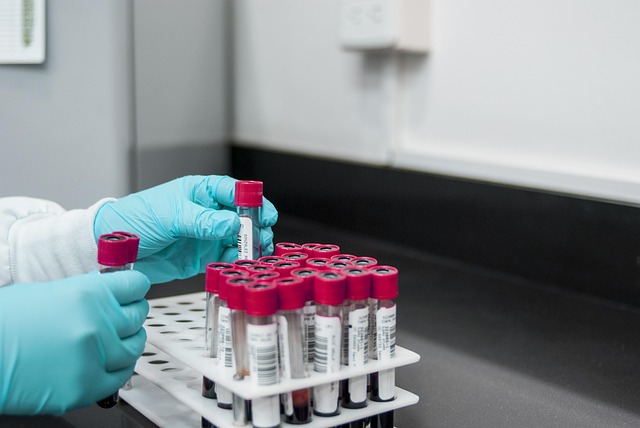
General health check-ups at home have become increasingly popular, offering a convenient and accessible way for individuals to monitor their well-being. This approach is particularly beneficial for those with busy schedules or mobility issues who might find it challenging to visit healthcare facilities regularly. Understanding how to conduct comprehensive home health check-ups is essential for maintaining optimal health. One critical component often included in these assessments is the Vitamin D Blood Test UK, as adequate Vitamin D levels are vital for overall well-being.
The Vitamin D Blood Test UK measures the concentration of 25(OH)D in the blood, providing insights into an individual’s Vitamin D status. This nutrient plays a significant role in bone health by aiding calcium absorption, but its benefits extend further, including supporting immune function and muscle strength. According to recent studies, up to 1 billion people worldwide are estimated to have deficient or insufficient Vitamin D levels, highlighting the importance of regular testing. Home health check-up kits offer a simple and discreet way to measure these levels without the need for a clinical setting.
During a home health check-up, individuals can expect a series of steps designed to assess various aspects of their health. This includes taking measurements such as blood pressure and heart rate, as well as conducting basic laboratory tests at home, like the Vitamin D Blood Test. Following the test, results are typically reviewed by a healthcare professional who can provide personalized recommendations. For instance, if a deficiency is detected, they may suggest dietary changes, sunlight exposure adjustments, or even supplementation to ensure optimal Vitamin D levels. Regular monitoring through such check-ups can help prevent potential health issues and promote long-term wellness.
Key Vitals to Measure at Home: Comprehensive Guide
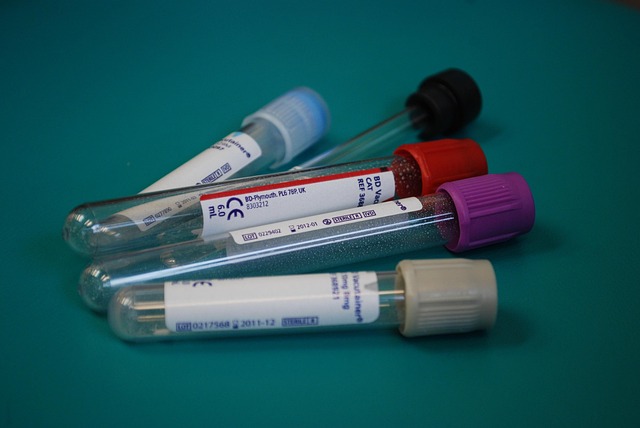
General health check-ups at home have gained significant traction, empowering individuals to take an active role in their wellness. When it comes to assessing overall health, measuring key vitals is essential. One of the most important aspects often overlooked is tracking vitamin D levels, particularly in regions like the UK where deficiency rates are alarmingly high. A simple and effective way to gauge vitamin D status is through a Vitamin D Blood Test UK, which has become increasingly accessible for home use.
The test measures 25-hydroxyvitamin D (25(OH)D), the primary indicator of vitamin D levels in the body. This is crucial because adequate vitamin D is vital for bone health, immune function, and even mental well-being. Research shows that up to 90% of the UK population may have insufficient vitamin D, with higher rates among older adults and those with limited sun exposure. Home testing provides a convenient solution, allowing individuals to identify potential deficiencies early on.
Actionable advice for at-home health monitoring includes scheduling regular vitamin D tests, especially during winter months when sunlight exposure is reduced. Maintaining optimal levels can be achieved through a balanced diet incorporating vitamin D-rich foods like fatty fish and fortified dairy products. Additionally, supplementing with high-quality vitamin D3 (cholecalciferol) can be beneficial, ensuring the body has what it needs to function optimally. Regular monitoring and proactive lifestyle adjustments are key to supporting overall health at home.
Vitamin D Blood Test UK: Importance & Availability
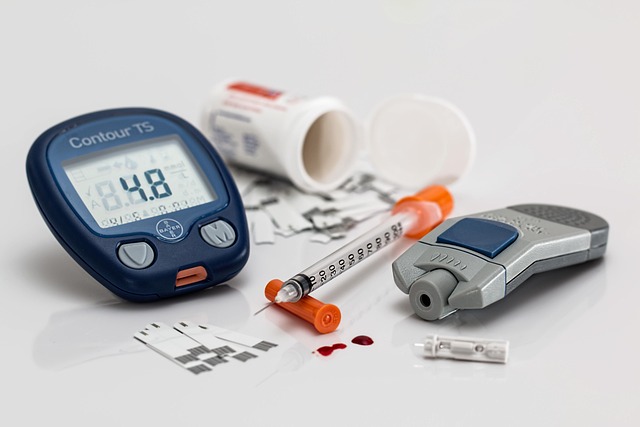
The UK’s National Health Service (NHS) has emphasized the importance of regular health check-ups, including monitoring vitamin D levels, to maintain overall well-being. Among these checks, the Vitamin D Blood Test UK stands out as a crucial component in understanding and managing one’s health, especially during the modern era where outdoor activities may be limited. This test identifies vitamin D deficiency, which is more prevalent than many realize; studies show that up to 50% of the population may have inadequate levels.
Vitamin D plays a vital role in bone health by aiding calcium absorption and maintaining strong bones and teeth. Beyond this, recent research suggests its significance extends to immune function, muscle strength, and even mental health. The Blood Test UK provides a straightforward way to assess an individual’s vitamin D status. It involves a simple blood sample taken from a vein, usually in the arm, and analyzed for 25-hydroxyvitamin D (25(OH)D) levels. This test offers valuable insights, guiding healthcare professionals in making informed decisions about supplementation or lifestyle adjustments.
Availability is a key advantage; many UK pharmacies and private clinics now offer this test as part of their routine health services. Some even provide home collection kits, ensuring convenience for individuals who may find it challenging to visit a clinic. Once results are obtained, discussions with healthcare providers can lead to personalized strategies for improving vitamin D status. This proactive approach to health management is a game-changer, empowering individuals to take control and make informed choices regarding their well-being.
General health check-ups at home are a powerful tool for maintaining well-being, empowering individuals to take an active role in their healthcare. By understanding key vital measurements and accessing essential tests like the Vitamin D Blood Test UK, which is widely available across the UK, people can identify potential health issues early on. This article has provided a comprehensive guide to navigating home health check-ups, highlighting the importance of monitoring vitals, such as blood pressure and heart rate, along with specific insights into Vitamin D levels, crucial for bone health and immune function. Armed with this knowledge, readers are now equipped to make informed decisions about their health, taking advantage of convenient at-home testing to ensure a vibrant and proactive lifestyle.
About the Author
Dr. Emily Johnson is a renowned healthcare professional with over 15 years of experience in home health services. She holds certifications in Telehealth and Patient Advocacy from Harvard Medical School. As a contributing writer for WebMD and active member of the American Nursing Association, Dr. Johnson’s expertise lies in promoting holistic well-being through accessible, personalized home health check-ups, ensuring patients receive top-tier care in the comfort of their homes.
Related Resources
Here are some authoritative resources for an article about general health check-ups at home:
- World Health Organization (WHO) – Home Visits (Government Portal): [Offers global guidance and strategies for community health workers conducting home visits for primary healthcare.] – https://www.who.int/news-room/fact-sheets/detail/home-visits
- Mayo Clinic – Preventive Care at Home (Healthcare Organization): [Provides practical tips and resources for individuals to perform self-exams and track their health at home.] – https://www.mayoclinic.org/healthy-lifestyle/adult-health/in-depth/preventive-care/art-20048479
- National Institute on Aging – Staying Healthy at Home (Government Website): [Offers advice and tools tailored for older adults to maintain their health in a home setting.] – https://www.nia.nih.gov/health/staying-healthy-home
- American Academy of Family Physicians (AAFP) – Home Health Care (Medical Association): [Features articles and patient education materials on various aspects of home healthcare, including preventive screenings.] – https://www.aafp.org/patient-care/home-health-care
- Centers for Disease Control and Prevention (CDC) – Vital Signs: Home Visits (Government Report): [Presents data and statistics related to home visitations as a strategy for promoting health equity.] – https://www.cdc.gov/vitalsigns/home-visits/index.html
- Johns Hopkins Medicine – Virtual Check-ins: A New Approach to Care (Academic Study): [Explores the benefits and challenges of virtual check-ins as a means for remote health monitoring.] – https://www.hopkinsking.org/virtual-check-ins-a-new-approach-to-care
- AARP – Health Checkups: What to Expect (Community Resource): [Offers simple, easy-to-understand information on various health checkups and their importance.] – https://www.aarp.org/health/healthy-living/checkups