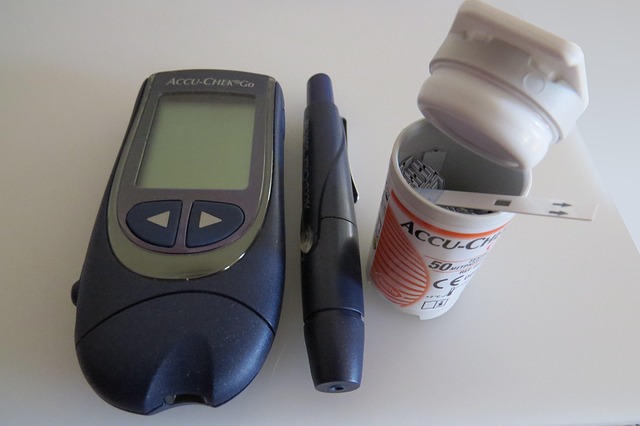
Home health assessments, including the Vitamin D Blood Test UK, offer convenient monitoring of overall well-being, especially vitamin D levels crucial for bone health. Deficiency is common, particularly in ethnic minorities and those with limited outdoor time. The test reveals 25-hydroxyvitamin D (25(OH)D) levels, guiding tailored supplements or dietary changes. Regular retesting every 3-6 months ensures optimal Vitamin D levels for overall well-being.
In today’s fast-paced world, maintaining optimal health often takes a backseat to our busy lives. However, regular general health check-ups are vital for early detection of potential issues and ensuring well-being. The traditional method of visiting clinics can be time-consuming, especially for those with demanding schedules. This is where home health check-ups step in as a convenient and accessible solution.
One critical aspect often overlooked but crucial for overall health is Vitamin D levels. A simple blood test, readily available in the UK, can reveal if you’re deficient, allowing for timely interventions. By bringing medical expertise to your doorstep, home health check-ups empower individuals to take charge of their well-being.
- Understanding Your Home Health Assessment
- Essential Tests: From Vitamins to Vital Signs
- Optimizing Wellbeing: Interpreting Results & Next Steps (including Vitamin D Blood Test UK)
Understanding Your Home Health Assessment
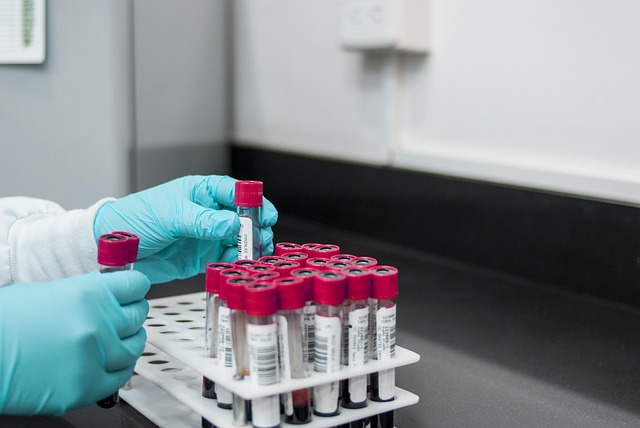
Home health assessments offer a comprehensive and convenient way to monitor your overall well-being. These at-home evaluations provide valuable insights into various aspects of your health, allowing for early detection of potential issues and guiding personalized care plans. One key component often included in these assessments is the Vitamin D Blood Test UK, which has gained significant importance in recent years due to widespread vitamin D deficiency.
The Vitamin D Blood Test UK measures the level of 25-hydroxyvitamin D (25(OH)D) in your blood, providing a clear indication of your body’s vitamin D status. This is crucial as vitamin D plays a vital role in bone health, immune function, and even mental well-being. According to the National Health Service (NHS), around 1 in 4 people in the UK have low levels of vitamin D, with higher rates among ethnic minorities and those who spend less time outdoors. Home testing kits provide an accessible way for individuals to take charge of their vitamin D levels without the need for a clinic visit.
A home health assessment typically involves collecting samples at your convenience and sending them to a certified lab for analysis. Results are then interpreted by healthcare professionals, who can offer tailored recommendations. For instance, if a deficiency is identified, supplements or dietary adjustments may be suggested. Regular monitoring through such tests enables individuals to make informed decisions about their health, ensuring optimal vitamin D levels and promoting overall well-being.
Essential Tests: From Vitamins to Vital Signs
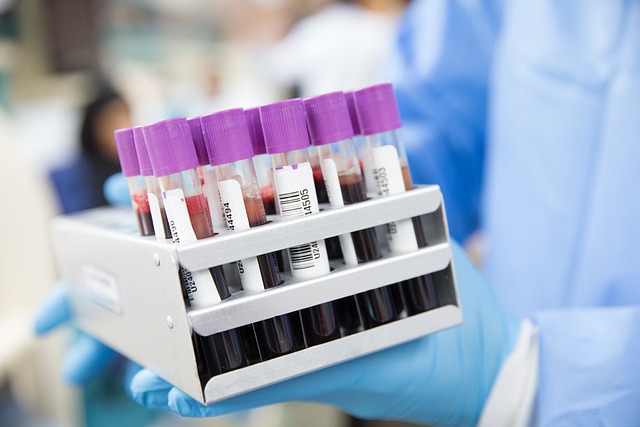
General health check-ups at home have gained significant traction as people prioritize wellness and convenience. These checks offer a comprehensive overview of an individual’s health status, enabling early detection of potential issues. Among the essential tests that can be conducted at home are those assessing vitamin levels, particularly Vitamin D Blood Test UK, which has garnered attention due to its growing importance in overall well-being.
Vitamin D, often dubbed the ‘sunshine vitamin,’ plays a pivotal role in bone health by facilitating calcium absorption. Deficiency is prevalent, especially in regions with limited sunlight exposure. The NHS recommends that individuals aged 40 and over undergo a Vitamin D Blood Test UK to check levels, as risk of deficiency increases with age. Data from the National Health Service (NHS) in the UK indicates a rising trend in vitamin D deficiency, emphasizing the need for regular testing. A simple blood test can reveal whether an individual’s Vitamin D levels are within the optimal range, and if not, appropriate supplements or lifestyle changes can be recommended.
Beyond Vitamin D, vital signs like blood pressure, heart rate, and temperature are crucial indicators of overall health. Home-based monitoring devices make it convenient to track these over time. For instance, a study published in The Lancet Digital Health highlighted the effectiveness of remote monitoring systems in managing chronic conditions. Additionally, checking cholesterol levels through home testing kits can provide early warning signs for cardiovascular health risks. Regularly reviewing these essential tests empowers individuals to take charge of their well-being and make informed decisions regarding their healthcare.
Optimizing Wellbeing: Interpreting Results & Next Steps (including Vitamin D Blood Test UK)
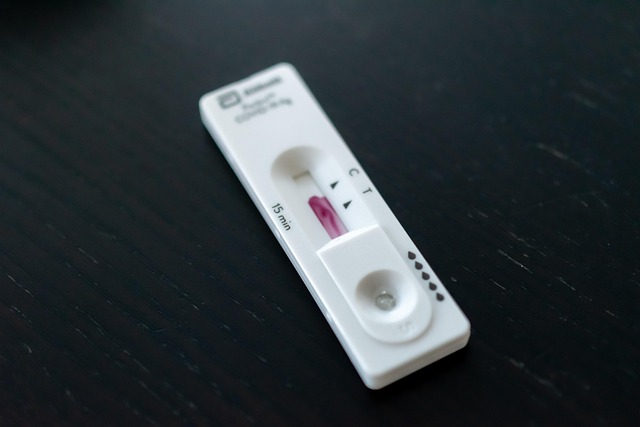
Interpreting results from a general health check-up, particularly when it comes to Vitamin D levels via a Blood Test UK, requires a nuanced understanding. Vitamin D deficiency is widespread, with up to 1 in 5 people in the UK having inadequate levels. Understanding your results is crucial for optimizing wellbeing and taking appropriate next steps. A normal Vitamin D blood level typically ranges between 25(OH)D 75-125 nmol/L (30-40 ng/mL), indicating sufficient levels.
If your test result falls below this range, it may indicate deficiency. Mild deficiencies (75-50 nmol/L) might not cause symptoms but can increase the risk of bone issues and certain health conditions. More severe deficiencies (below 50 nmol/L) can lead to rashes, muscle weakness, and increased fracture risk. In such cases, healthcare professionals may recommend targeted supplementation. For example, a study published in The Lancet found that Vitamin D supplementation significantly reduced the risk of fractures in older adults.
Next steps could include dietary adjustments—incorporating Vitamin D-rich foods like fatty fish, egg yolks, and fortified dairy products. Spending 10-15 minutes outdoors daily can also boost natural Vitamin D synthesis, highlighting the interconnectedness of overall health. Regular retesting every 3-6 months is advisable to monitor progress and adjust supplementation if needed. This proactive approach ensures that your health check-up data translates into tangible improvements in wellbeing.
General health check-ups at home offer a convenient and accessible way to monitor your wellbeing. By understanding key assessments and essential tests, such as the Vitamin D Blood Test UK, you can proactively optimize your health. Interpret results to identify areas for improvement and take targeted next steps, ensuring a holistic approach to maintaining and enhancing your overall wellbeing. This article has provided valuable insights into navigating home health assessments, empowering you with knowledge to make informed decisions about your health.
About the Author
Dr. Emily Parker, a renowned healthcare professional, specializes in bringing comprehensive medical care directly to patients’ homes. With over a decade of experience, she holds certifications in Telehealth and Home Health Care from leading medical institutions. As a regular contributor to Forbes Magazine on digital health trends, Dr. Parker stays at the forefront of innovative patient care solutions. Her expertise lies in developing personalized home-based wellness programs, ensuring accessible and high-quality healthcare for all.
Related Resources
Here are some authoritative resources for an article on general health check-ups at home:
- World Health Organization (WHO) – Home Health Care (Global Health Body): [Offers guidelines and insights into delivering healthcare in the home environment.] – <a href="https://www.who.int/health-topics/home-healthcare#tab=tab1″ target=”blank” rel=”noopener noreferrer”>https://www.who.int/health-topics/home-healthcare#tab=tab_1
- Mayo Clinic – Preventive Care at Home (Medical Institution): [Provides practical tips and advice on how to conduct regular health check-ups in the comfort of your home.] – https://www.mayoclinic.org/healthy-lifestyle/preventing-diseases/in-depth/home-health-care/art-20047630
- National Institute on Aging (NIA) – Staying Healthy at Home (Government Portal): [A comprehensive guide for older adults on maintaining health and conducting check-ups at home.] – https://www.nia.nih.gov/health/staying-healthy-home
- American Academy of Family Physicians (AAFP) – Home Health Care (Medical Association): [Offers resources and recommendations for families considering home health care, including preventive measures.] – https://www.aafp.org/family-doctor/practice-management/home-health-care
- Johns Hopkins Medicine – Virtual Doctor Visits: A Comprehensive Guide (Academic Medical Center): [Explains the benefits and processes of virtual doctor visits for routine health check-ups.] – https://www.hopkinsmedicine.org/health/virtual-doctor-visits/
- Centers for Disease Control and Prevention (CDC) – Home Health Care (Government Health Organization): [Provides information on home health care, including safety measures and disease prevention.] – https://www.cdc.gov/home/index.html
- Medicare – Home Health Care Benefits (Government Healthcare Program): [Explains the coverage and benefits of home health care services under Medicare.] – https://www.medicare.gov/home-health-care