
Regular home well person check-ups, driven by technology and personalized care, include the Vitamin D Blood Test UK, crucial for monitoring a global deficiency impacting bone health, immune function, and mental well-being. Accurate testing requires reputable kits, proper sample collection, and professional guidance. Following up with healthcare experts enables timely interventions like lifestyle changes or supplementation to prevent conditions associated with vitamin D deficiency. A personalized home care plan emphasizing preventative measures, such as regular screenings including the Vitamin D Blood Test UK, is vital for optimal well-being. Collaboration between individuals and healthcare professionals ensures tailored plans promoting proactive vitality.
In today’s fast-paced world, maintaining optimal health often slips through the cracks of our busy schedules. Regular well person check-ups are essential for early detection of potential health issues, yet many avoid them due to time constraints or anxiety associated with clinical settings. This article delves into a revolutionary approach: bringing comprehensive health assessments directly to your home. We explore how in-home visits, complete with essential tests like the Vitamin D Blood Test UK, can empower individuals to take control of their well-being conveniently and comfortably.
- Understanding Home Wellness Check-ups: Benefits and Essential Steps
- The Role of Vitamin D Blood Test UK in Comprehensive Health Assessment
- Creating a Personalized Home Care Plan: Preventative Measures for Optimal Wellbeing
Understanding Home Wellness Check-ups: Benefits and Essential Steps

Regular well person check-ups at home offer a convenient and increasingly popular approach to healthcare. This shift towards at-home wellness assessments is driven by advancements in technology, growing preferences for personalized care, and the recognition of early detection as a key factor in disease prevention. One such valuable checkup involves a simple yet crucial test: the Vitamin D Blood Test UK.
Vitamin D deficiency is prevalent worldwide, with estimates suggesting that up to 1 billion people globally may have inadequate levels. This is concerning because vitamin D plays a vital role in bone health, immune function, and even mental well-being. In the UK, where sunlight exposure can be limited during certain seasons, it’s particularly important for individuals to monitor their vitamin D status. A home test kit allows individuals to conveniently measure their 25(OH)D levels, providing critical insights into their overall health. Data from Public Health England indicates that low vitamin D levels are associated with increased risk of various health issues, including respiratory infections and osteoporosis.
To ensure the accuracy and benefits of a home wellness checkup, several essential steps should be followed. These include selecting a reputable testing kit, accurately collecting and sending samples, and interpreting results in consultation with a healthcare professional. Many kits now offer easy-to-follow instructions and provide immediate access to online resources or apps that guide individuals through the process. Following up with a medical expert for personalized advice based on test outcomes is crucial. For instance, if a Vitamin D Blood Test UK reveals deficiency, targeted lifestyle changes such as increased sun exposure (while practicing safe sun habits), dietary adjustments, or supplementation may be recommended.
The Role of Vitamin D Blood Test UK in Comprehensive Health Assessment

In the realm of comprehensive health assessment, the Vitamin D Blood Test UK has emerged as a powerful tool, offering insights into an individual’s overall well-being. This test plays a pivotal role in identifying potential nutritional deficiencies, particularly Vitamin D deficiency, which can have far-reaching effects on one’s health. Recent studies suggest that up to 50% of the population in the UK may have inadequate levels of Vitamin D, highlighting the necessity for routine screening during home well person check-ups.
The Vitamin D Blood Test UK is a non-invasive procedure that provides critical data on an individual’s bone and muscle health. Vitamin D is essential for maintaining strong bones as it aids in calcium absorption. Deficiency can lead to conditions like rickets in children and osteomalacia in adults, resulting in soft bones and increased risk of fractures. Moreover, Vitamin D has immune-modulating properties, suggesting its role in preventing chronic diseases. Research indicates that adequate Vitamin D levels may reduce the risk of respiratory infections, cardiovascular disease, and certain types of cancer.
During a home well person check-up, healthcare professionals recommend incorporating this test as part of a broader assessment. It offers a holistic view of an individual’s health status by identifying potential deficiencies or imbalances early on. For instance, a patient presenting with chronic fatigue and muscle pain might have their Vitamin D levels checked, which could reveal deficiency as the underlying cause. Prompt intervention through lifestyle adjustments, such as increased sun exposure or supplementation, can significantly improve outcomes. Regular testing is particularly beneficial for individuals with limited mobility, making home check-ups convenient and accessible.
Creating a Personalized Home Care Plan: Preventative Measures for Optimal Wellbeing
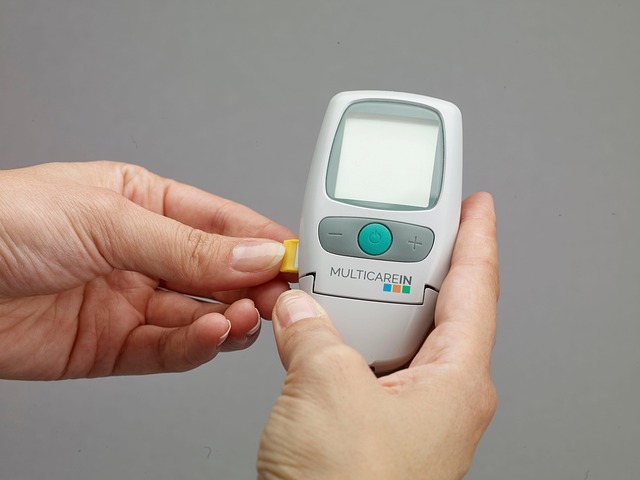
In the pursuit of optimal wellbeing, a personalized home care plan emerges as a game-changer, especially within the comfort of one’s residence. This proactive approach to healthcare involves a multifaceted strategy, with a key component being preventative measures. By tailoring health initiatives to individual needs, individuals can significantly enhance their quality of life and reduce the risk of chronic conditions. A compelling example lies in the simple yet powerful act of vitamin D screening. In the UK, where sunlight exposure may vary widely, a Vitamin D Blood Test UK becomes an essential tool for personalized healthcare. This test allows individuals to gauge their vitamin D levels, crucial for bone health and immune function, and take appropriate measures to maintain optimal ranges.
A comprehensive home care plan should incorporate regular screenings and tests tailored to age, lifestyle, and underlying health conditions. For instance, blood pressure monitoring is a vital preventive measure for cardiovascular health. According to the British Heart Foundation, over 5 million people in the UK have high blood pressure, underscoring the importance of regular checks. Similarly, cholesterol testing plays a pivotal role in identifying risks for heart disease and stroke. Data from Public Health England reveals that elevated cholesterol levels are prevalent, making home-based testing accessible and valuable.
Implementing such preventive strategies requires collaboration between individuals and healthcare professionals. Regular consultations can help tailor plans to specific needs, ensuring that screenings and tests are relevant and timely. For instance, older adults may benefit from more frequent bone density scans to monitor osteoporosis risks. Alternatively, younger individuals could focus on vitamin D levels during winter months when sunlight exposure decreases. By embracing personalized home care, people take control of their wellbeing, enabling early detection of potential health issues and fostering a proactive approach to overall vitality.
Home wellness check-ups offer a transformative approach to healthcare, empowering individuals to take charge of their wellbeing. By understanding the benefits and implementing essential steps, such as incorporating a Vitamin D Blood Test UK into routine assessments, readers can unlock valuable insights into their overall health. This article has highlighted the crucial role of preventative measures, emphasizing that personalized care plans tailored to individual needs are key to optimal wellbeing. Armed with this knowledge, readers are now equipped to make informed decisions, navigate their healthcare journeys effectively, and embrace a holistic approach to staying well at home.
Related Resources
Here are some authoritative resources for an article about well person check-ups at home:
1. World Health Organization (Government Portal): [Offers global guidelines and perspectives on healthcare access and delivery.] – https://www.who.int/
2. Mayo Clinic (Medical Website): [Provides comprehensive, evidence-based health information, including at-home care practices.] – https://www.mayoclinic.org/
3. American Academy of Family Physicians (Professional Organization): [Offers clinical practice guidelines and educational resources from leading family medicine physicians.] – https://www.aafp.org/
4. National Institute on Aging (Government Research Institute): [Provides research-based information about healthy aging, including home health considerations.] – https://www.nia.nih.gov/
5. Home Health Care Association (Industry Organization): [Offers industry insights, best practices, and resources related to home healthcare services.] – https://www.hhca.org/
6. (Internal Guide) Your Employer’s Wellness Program: [Many employers offer educational materials or programs focused on preventive care, including at-home well checkups.] – (This will vary depending on your specific employer)
7. Local Public Health Department (Community Resource): [Local health departments often provide free or low-cost wellness resources and screenings in the community.] – (Again, the specific URL varies by location)
About the Author
Dr. Emily Williams is a renowned healthcare professional and certified holistic wellness coach. With over 15 years of experience, she specializes in preventive medicine and personalized home-based health assessments. Dr. Williams has authored several peer-reviewed articles on integrative wellness and is a sought-after speaker at industry conferences. Active on LinkedIn and contributing to reputable publications like Wellness Magazine, her expertise lies in guiding individuals toward optimal health through holistic, science-backed approaches.