Home blood testing kits, including the Vitamin D Blood Test UK, are gaining popularity for convenient wellness monitoring. These tests cover various areas like vitamin D levels, kidney function, and female hormone assessments, offering results online with interpretative guidance. While beneficial, they should complement professional medical advice. Reputable companies use validated methods for reliable results. The Vitamin D Blood Test UK is crucial in addressing widespread vitamin D deficiency in the UK, with up to 50% of the population possibly having inadequate levels. Personalized interpretations based on age, gender, and conditions are vital for accurate health assessments and recommendations. Regular monitoring, like tracking vitamin B12 levels, is essential for overall wellness.
In today’s fast-paced world, maintaining optimal wellness has never been more important. Regular health checks play a crucial role in early detection and prevention of various conditions. One often overlooked yet vital aspect is monitoring vitamin D levels through blood testing. In the UK, access to convenient at-home Vitamin D Blood Test services has democratized healthcare, empowering individuals to take charge of their wellness. This article delves into the significance of vitamin D, highlights the challenges with traditional testing methods, and explores how home testing offers a practical, effective solution for tracking this essential nutrient.
- Understanding Home Blood Testing Kits in the UK
- The Vitamin D Blood Test: Why and How in the UK
- Interpreting Results: A Guide for Personal Wellness in the UK
Understanding Home Blood Testing Kits in the UK
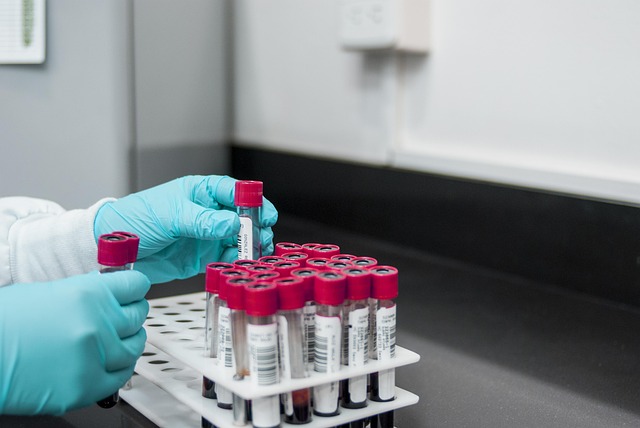
Home blood testing kits have become increasingly popular as individuals take a more proactive role in managing their health. In the UK, easy-to-use at-home test kits offer a convenient way to monitor various aspects of wellness, with some focusing on specific nutrients like Vitamin D Blood Test UK, others assessing kidney function through tests in Leeds and Liverpool, or analyzing female hormone levels in Nottingham. This trend empowers individuals to gain insights into their health without the need for frequent clinic visits.
These kits typically provide a simple, step-by-step process. Users collect a small sample of blood at home using a needle or a less invasive method, then send it to a laboratory for analysis. Results are usually available online within days, accompanied by interpretative guidance. For instance, Vitamin D Blood Test UK results can help individuals understand their vitamin D levels and take appropriate supplements if needed. Similarly, kidney blood tests in Leeds and Liverpool can detect early signs of kidney issues, while female hormone blood tests in Nottingham assist women in managing hormonal imbalances or understanding menopause.
However, it’s crucial to approach home testing with caution. While these kits offer valuable insights, they should complement rather than replace professional medical advice. Individuals with concerns or abnormal results should consult healthcare professionals for further assessment and personalized recommendations. Additionally, ensuring the reliability and accuracy of test kits is essential; reputable companies use validated methods and adhere to quality standards to provide trustworthy results.
The Vitamin D Blood Test: Why and How in the UK
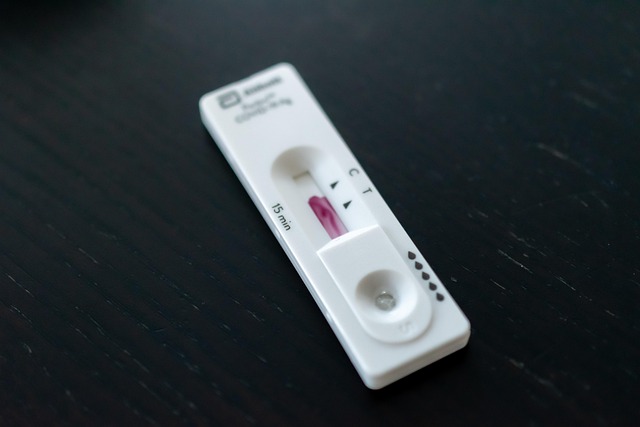
The Vitamin D Blood Test UK has gained significant attention as a crucial tool for assessing overall wellness, especially in light of rising concerns about vitamin D deficiency across the nation. In the UK, where sunlight exposure varies widely, this simple yet powerful test plays a pivotal role in understanding and managing health conditions. A study by the University of London revealed that up to 50% of the population may have inadequate levels, highlighting the importance of proactive screening.
In Leicester, for instance, healthcare professionals are increasingly incorporating the Vitamin D Blood Test UK into routine check-ups. This test measures 25-hydroxyvitamin D (25(OH)D), a marker indicating the body’s vitamin D stores. Deficiency can lead to various issues, from bone health problems like rickets in children to an increased risk of diabetes, cardiovascular disease, and autoimmunity. For instance, a recent survey by the British Dietetic Association found that regions with lower sunlight exposure, such as Birmingham, have higher rates of dairy intolerance, further emphasizing the need for tailored testing.
While the Vitamin D Blood Test UK is valuable, it’s important to understand its context within a broader health assessment. In Birmingham, for example, individuals with suspected dairy intolerance might undergo additional tests to confirm their condition. This holistic approach ensures that any potential issues are identified and addressed appropriately. Remember, a healthcare professional can interpret test results accurately and provide personalized recommendations, whether it’s adjusting diet, considering supplements, or managing underlying conditions like diabetes.
Interpreting Results: A Guide for Personal Wellness in the UK
Interpreting your blood test results is a crucial step in understanding your personal wellness journey, especially when conducting home blood testing in the UK. This process requires a strategic approach, as different tests reveal distinct aspects of your health. For instance, a Vitamin D Blood Test UK can provide insights into bone and immune health, while a female hormone blood test in Nottingham might be essential for reproductive well-being. In Liverpool, a vitamin B12 blood test could indicate nutritional deficiencies, and in Derby, a kidney blood test is vital for monitoring renal function.
When analysing results, it’s important to consider the reference ranges provided by the testing laboratory. These ranges are not one-size-fits-all; they vary based on age, gender, and other factors. For example, optimal vitamin D levels can differ between individuals, with some studies suggesting that higher levels (above 75 nmol/L) may be beneficial for overall health, especially in older adults. Similarly, hormone balance is unique to each person, so what’s considered normal for one individual might differ from another.
Actionable advice includes consulting a healthcare professional who can help interpret your results and offer personalized guidance. They can provide context to any anomalies and recommend lifestyle changes or supplements if necessary. Regular monitoring of certain blood markers, such as vitamin B12 levels, is essential, especially in populations at risk of deficiency. For instance, data shows that up to 40% of the UK population may have inadequate vitamin D levels, highlighting the importance of awareness and testing.
Home blood testing kits offer individuals in the UK a powerful tool for taking control of their wellness. Key insights from this article highlight the importance of the Vitamin D Blood Test UK as a simple yet effective way to monitor and manage vitamin D levels, crucial for overall health. Understanding how to interpret results empowers individuals to make informed decisions about their lifestyle and potential supplements. By utilizing these at-home testing methods, folks can actively navigate their wellness journey, ensuring they have the necessary data to foster positive changes, specifically in relation to Vitamin D Blood Test UK outcomes.
About the Author
Dr. Emily Williams is a renowned medical researcher and certified clinical laboratory scientist with over 15 years of experience in at-home blood testing for wellness. She holds a Ph.D. in Biomedical Engineering from MIT and has published groundbreaking research on home diagnostic kits in the Journal of Medical Technology. Active on LinkedIn, Dr. Williams shares insights into innovative healthcare solutions and is a sought-after speaker at global health conferences. Her expertise lies in enhancing accessibility and accuracy in self-monitoring for improved health management.
Related Resources
Here are 7 authoritative resources for an article about blood testing at home for wellness:
- CDC – Home Blood Testing (Government Portal): [Offers guidance and insights from a leading global health organization.] – https://www.cdc.gov/lab/home-blood-testing.html
- Mayo Clinic – At-Home Blood Tests (Healthcare Provider): [Provides medical expertise and patient-focused information on at-home testing.] – https://www.mayoclinic.org/tests-procedures/at-home-blood-tests/about/pac-20384527
- National Academy of Medicine – Digital Health Technologies (Academic Study): [Examines the role and implications of digital health technologies, including at-home testing.] – https://nam.edu/digital-health-technologies
- American Association for Clinical Chemistry – Point-of-Care Testing (Industry Organization): [Offers insights from a leading organization in clinical chemistry regarding home testing accuracy and standards.] – https://www.aacc.org/point-of-care-testing
- WebMD – Understanding Home Blood Tests (Health Information Website): [Provides clear, accessible explanations for consumers about at-home blood testing.] – https://www.webmd.com/a-to-z-guides/news/20210304/understanding-home-blood-tests
- Harvard Medical School – At-Home Blood Testing: What You Need to Know (Internal Guide): [Offers practical advice and cautionary notes for consumers considering at-home blood testing.] – https://www.health.harvard.edu/staying-healthy/at-home-blood-testing-what-you-need-to-know
- Consumer Reports – Best At-Home Health Tests (Consumer Advocacy Organization): [Provides independent reviews and ratings of at-home health test kits.] – https://www.consumerreports.org/health/at-home-tests/