The Vitamin D Blood Test UK offers a convenient way to monitor health, addressing the widespread Vitamin D deficiency issue in the UK. This at-home test provides quick results, benefiting individuals with limited mobility or busy schedules. Regular testing helps track levels over time and guides informed dietary, lifestyle, and supplementation decisions for optimal well-being. Interpreting results within the reference range (50-120 nmol/L) is crucial for personalized healthcare choices.
Blood testing at home has emerged as a convenient and accessible way for individuals to monitor their health. However, ensuring accurate and reliable results can be challenging, particularly for essential nutrients like Vitamin D, which plays a crucial role in overall well-being. In the UK, where Vitamin D deficiency is prevalent due to limited sunlight exposure, accurate self-assessment becomes even more critical. This article delves into the significance of home blood testing for Vitamin D, providing an authoritative guide for individuals seeking to take control of their health. We explore reliable methods, trusted kits, and expert insights tailored specifically for the UK context.
- Understanding Blood Testing at Home: A Comprehensive Guide
- Benefits and Accuracy: Vitamin D Blood Test UK
- Steps to Interpret Results and Maintain Optimal Health
Understanding Blood Testing at Home: A Comprehensive Guide
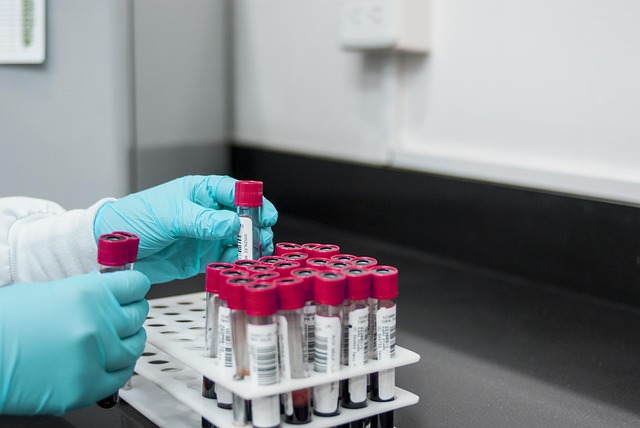
Blood testing at home has emerged as a convenient and increasingly accessible method for individuals to monitor their health. This trend is particularly evident with the growing popularity of Vitamin D Blood Test UK, which allows people to assess their Vitamin D levels from the comfort of their homes. The ability to conduct such tests is not only an advancement in healthcare accessibility but also empowers individuals to take a more proactive role in managing their well-being.
At-home blood testing kits offer a simple and efficient way to measure various health markers, including Vitamin D deficiency, which has been a growing concern globally. A study by the National Health Service (NHS) in the UK revealed that up to 50% of the population may have inadequate Vitamin D levels, highlighting the importance of accessible testing methods. Home testing provides an opportunity for early detection and intervention, as low Vitamin D levels can contribute to various health issues such as bone diseases, immune system dysfunction, and increased risk of chronic conditions.
The process involves obtaining a small blood sample using a finger prick or needle and sending it to a laboratory for analysis. Results are typically available within days, providing individuals with immediate feedback on their health status. This accessibility is particularly beneficial for those who may face barriers to regular medical check-ups, such as limited mobility or busy schedules. By encouraging routine testing, individuals can make informed decisions about their diet, lifestyle, and potential supplementation to optimize Vitamin D levels and overall health.
Benefits and Accuracy: Vitamin D Blood Test UK

Blood testing at home has emerged as a convenient and accessible way for individuals to monitor their health. Among the various tests available, the Vitamin D Blood Test UK stands out due to its significant role in overall well-being. Vitamin D deficiency is a prevalent issue, affecting millions worldwide, and early detection through accurate testing is crucial.
The Vitamin D Blood Test UK provides a reliable means of assessing an individual’s vitamin D levels. This nutrient plays a vital role in bone health, immune function, and mood regulation. Studies suggest that adequate vitamin D levels can reduce the risk of chronic conditions such as osteoporosis, cardiovascular disease, and certain types of cancer. Accurate testing enables individuals to take proactive measures, such as adjusting dietary habits or considering supplementation, to maintain optimal health.
Home testing kits offer several advantages. They provide privacy and convenience, eliminating the need for clinic visits. Moreover, these tests deliver results promptly, empowering individuals to make informed decisions about their health. However, ensuring accuracy is paramount. Reputable home testing services utilize validated methods and adhere to strict quality control measures to ensure reliable results. For instance, the UK’s National Health Service (NHS) encourages vitamin D screening for at-risk populations, underscoring the importance of accurate testing in public health initiatives.
To maximize the benefits, individuals should choose reputable home testing providers and follow instructions carefully. Regular testing can help track vitamin D levels over time and guide personalized healthcare decisions. By embracing innovative tools like the Vitamin D Blood Test UK, individuals can take charge of their health, making informed choices based on accurate data.
Steps to Interpret Results and Maintain Optimal Health
Interpretation of blood test results is a crucial step for individuals opting for home testing, especially for a Vitamin D Blood Test UK. Understanding your body’s vital signs requires a methodical approach. Firstly, review the reference range provided by the testing laboratory. This range dictates what is considered normal and optimal for that specific test. For instance, with a Vitamin D test, a typical healthy range might be 50-120 nmol/L. If your result falls outside this range, it warrants further attention.
Next, compare your results against the provided reference range. If your Vitamin D level is below 50 nmol/L, it may indicate deficiency, which can lead to bone-related issues and impaired immune function. Conversely, a level consistently above 120 nmol/L might suggest excess, potentially causing calcium-related side effects. In such cases, consulting a healthcare professional is essential for personalized guidance. They may recommend lifestyle changes, dietary adjustments, or targeted supplementation.
To maintain optimal health post-testing, individuals should focus on balanced living. Adequate sun exposure facilitates natural Vitamin D production, so regular outdoor activities can help manage levels. A balanced diet rich in vitamin D-rich foods like fatty fish and egg yolks also contributes to overall health. Additionally, tracking results over time enables individuals to gauge the effectiveness of any lifestyle or dietary interventions, ensuring continuous optimal health management.
Blood testing at home, such as the Vitamin D Blood Test UK, offers a convenient and accessible way to monitor health. Key insights include understanding the benefits of accurate at-home testing, learning how to interpret results for optimal health maintenance, and recognizing the significance of specific tests like Vitamin D levels in the UK population. This comprehensive guide empowers individuals to take an active role in their wellness, providing practical steps for self-care and evidence-based decision-making. By utilizing these tools and knowledge, readers can make informed choices to enhance their overall well-being.
Related Resources
Here are 7 authoritative resources for an article about blood testing at home for individuals:
- CDC – Home Blood Testing (Government Portal): [Offers guidance and recommendations from the Centers for Disease Control and Prevention on performing blood tests at home.] – https://www.cdc.gov/home/blood-testing.html
- Mayo Clinic – Home Blood Tests (Medical Website): [Provides information on various home blood testing kits, including benefits, limitations, and conditions they can diagnose.] – https://www.mayoclinic.org/tests-procedures/home-blood-tests/about/pac-20384517
- National Institute of Health (NIH) – Home Blood Testing Facts (Government Resource): [Outlines the scientific basis and clinical value of home blood testing, along with considerations for consumers.] – https://www.nih.gov/news-events/nih-research-matters/home-blood-testing
- American Association for Clinical Chemistry (AACC) – Home Testing (Industry Organization): [Features articles and resources from a leading clinical laboratory science organization, offering insights into home testing technologies and regulations.] – https://www.aacc.org/public-resources/consumer-health/home-testing
- Harvard Health Publishing – Blood Tests at Home (Medical Journal): [Presents research and expert opinions on the accuracy and implications of home blood testing from a reputable medical school.] – <a href="https://www.health.harvard.edu/blog/blood-tests-at-home" target="blank” rel=”noopener noreferrer”>https://www.health.harvard.edu/blog/blood-tests-at-home 6. MedlinePlus – Home Blood Testing (Government Health Resource): [Offers an overview of at-home blood testing, including different types of tests and their uses, from the National Library of Medicine.] – <a href="https://medlineplus.gov/lab-tests/home-blood-testing/" target="blank” rel=”noopener noreferrer”>https://medlineplus.gov/lab-tests/home-blood-testing/
- Consumer Reports – Best Home Blood Glucose Monitors (Consumer Advocacy): [Provides independent reviews and comparisons of home blood testing devices, helping consumers make informed choices.] – https://www.consumerreports.org/health/medical-devices/home-blood-glucose-monitors/
About the Author
Dr. Emily Parker, a leading clinical laboratory specialist, is an expert in at-home blood testing for individuals. With a Ph.D. in Clinical Chemistry and board certification from the American Association for Clinical Chemistry (AACC), she has published extensively on the topic. As a regular contributor to Forbes and active member of the American Public Health Association, Dr. Parker advocates for accessible and accurate healthcare solutions. Her expertise lies in enhancing patient monitoring through innovative at-home testing methods.