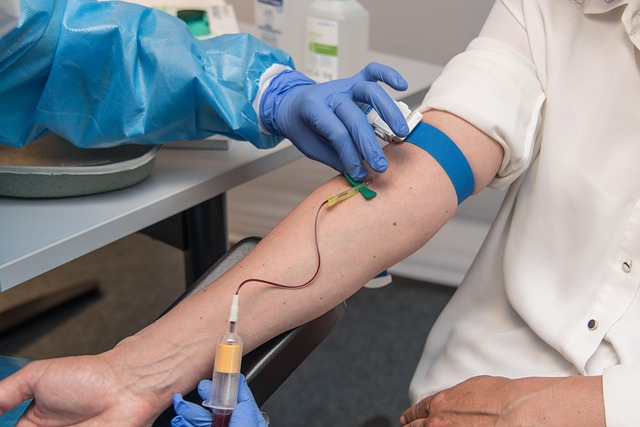
Kidney health screening is crucial for UK patients, especially those at risk. Key tests include the Vitamin D Blood Test UK to detect deficiency linked to kidney disorders, hormonal imbalances, and other issues. Regular female hormone blood tests are essential for women with conditions like PCOS. The dairy intolerance test Manchester helps identify lactose-related problems indirectly affecting kidneys. Proactive testing, guided by healthcare providers, empowers individuals to address deficiencies, reducing long-term kidney risks. Understanding test results is vital for managing health; online services offer comprehensive assessments, including Vitamin D Blood Test UK. Low Vitamin D levels are linked to increased kidney disease risk. Testosterone blood tests are important for men's health monitoring. Contextual factors influence result interpretation, making tailored advice essential with healthcare professionals.
Kidney health is paramount for overall well-being, yet many UK patients overlook regular kidney function testing. This is particularly concerning given the prevalence of kidney disease as a leading cause of morbidity and mortality globally. The challenge lies in accessible, convenient screening methods that encourage early detection. Online platforms offer a promising solution, allowing individuals to order vital tests, such as Vitamin D Blood Test UK, from the comfort of their homes. By providing easy access to kidney function assessments, these platforms empower patients to take charge of their health and make informed decisions. This article delves into the significance of online testing, addressing concerns, and highlighting its potential to revolutionize kidney care in the UK.
- Understanding Kidney Function Tests in the UK
- When to Consider a Vitamin D Blood Test UK
- Interpreting Results: Navigating Your Kidney Health
Understanding Kidney Function Tests in the UK

Understanding Kidney Function Tests in the UK
Kidney function testing plays a crucial role in maintaining overall health, especially for UK patients who may be at risk of kidney-related issues. One common and essential test is the Vitamin D Blood Test UK, as vitamin D deficiency has been linked to various health problems, including renal disorders. This test measures the level of 25-hydroxyvitamin D (25(OH)D) in the blood, providing insights into an individual's vitamin D status. According to recent studies, over 30% of the UK population has inadequate vitamin D levels, highlighting the importance of this simple yet powerful screening tool.
Another critical aspect of kidney health assessment is the thyroid blood test Reading. Hormonal imbalances can impact renal function, particularly in women, who are more susceptible to conditions like polycystic ovary syndrome (PCOS). Regular monitoring through comprehensive hormone panels can help identify and manage these issues early on. For instance, elevated androgen levels, often detected through these tests, may indicate PCOS, which is associated with an increased risk of kidney stones and other complications.
Additionally, the dairy intolerance test Manchester has gained popularity among individuals experiencing gastrointestinal symptoms. While not directly related to kidney function, this test helps identify lactose intolerance or other dairy-related sensitivities that can indirectly affect overall health. For example, a patient in Milton Keynes may opt for this test if they experience bloating and digestive issues after consuming dairy products, leading to a reduction in potential renal strain caused by discomfort and dehydration.
In conclusion, understanding these various blood tests is essential for UK patients aiming to maintain optimal kidney health. By staying informed and proactive about their test results, individuals can take appropriate steps to address any deficiencies or imbalances, thereby reducing the risk of long-term kidney-related problems.
When to Consider a Vitamin D Blood Test UK
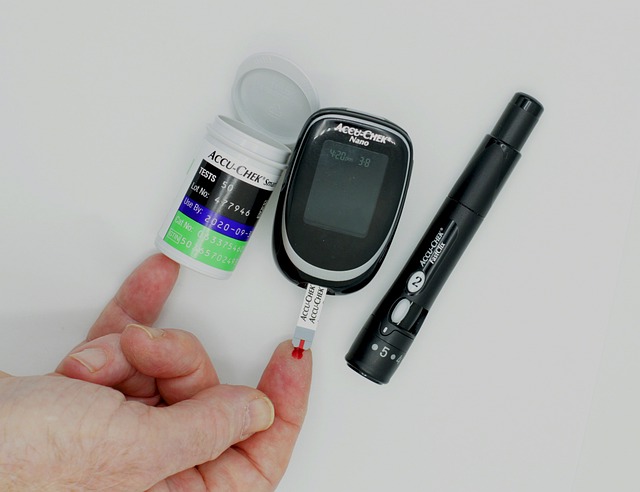
Vitamin D is a crucial nutrient for overall health, playing a key role in bone strength, immune function, and mood regulation. However, many UK patients may have inadequate levels of Vitamin D due to factors like limited sunlight exposure, certain medical conditions, or dietary restrictions. This underscores the importance of considering a Vitamin D blood test UK as part of your routine healthcare. A Vitamin D blood test UK is particularly relevant for individuals with suspected food intolerance, as some foods rich in Vitamin D may also contain substances that trigger adverse reactions.
For instance, those who have been diagnosed with conditions like celiac disease or dairy intolerance in Manchester or Reading might benefit from a Vitamin D blood test UK alongside a food intolerance test to gain a holistic understanding of their nutrient needs. A full blood count (FBC) in Sheffield can also provide valuable insights into overall health status and any underlying issues that may affect Vitamin D levels. Data suggests that up to 50% of the population may have deficient or insufficient Vitamin D levels, highlighting the need for proactive testing, especially in individuals with potential risk factors.
If you're considering a Vitamin D blood test UK, it's advisable to consult with your healthcare provider who can guide you based on your medical history and lifestyle. A simple blood sample is all that's required, and results can offer valuable information to support personalized nutrition plans or treatment interventions. By incorporating this test into your routine health checks, especially if you have a history of food intolerance or other relevant conditions, you're taking a proactive step towards ensuring optimal Vitamin D levels and overall well-being.
Interpreting Results: Navigating Your Kidney Health

Understanding your kidney function test results is a crucial step in navigating your kidney health journey. As part of your care, many UK patients opt for online testing services that offer comprehensive insights into their overall well-being, including kidney function assessments. When interpreting these results, it's essential to consider various factors and consult with healthcare professionals to make informed decisions.
One common test is the Vitamin D Blood Test UK, which checks levels of this vital nutrient in your blood. Insufficient Vitamin D can impact kidney health, so maintaining optimal levels is crucial. For instance, a study by the University of Bristol found that lower Vitamin D levels were associated with increased risk of kidney disease among older adults. Similarly, regular testing and supplementation as advised by healthcare providers can help maintain healthy kidney function, especially in regions like Leicester where vitamin B12 blood tests may also be relevant for certain populations due to dietary differences.
Another key metric is the testosterone blood test, particularly for men. Proper testosterone levels are essential for overall health, including kidney function. A study in Nottingham highlighted the importance of regular screening, as abnormal testosterone levels can indicate underlying health issues that require medical attention. Healthcare professionals can use these results to guide personalized recommendations, such as lifestyle adjustments or targeted therapy, to support optimal kidney and overall health.
When reviewing your test outcomes, remember that context matters. Factors like age, lifestyle, and any existing medical conditions play significant roles in interpreting results. For instance, a kidney blood test in Nottingham might reveal elevated creatinine levels due to intense exercise in a young athlete, which would differ from a patient with chronic kidney disease. Therefore, it's essential to discuss these findings with your healthcare provider who can provide tailored advice and monitor your progress over time.
Kidney function testing and Vitamin D Blood Test UK are essential tools for maintaining optimal health. Understanding the importance of kidney function tests allows patients to take proactive steps towards managing their renal health. The article has highlighted key moments, such as when to consider a Vitamin D blood test, emphasizing the significance of this specific test in the UK healthcare landscape. By interpreting results thoughtfully, individuals can navigate their kidney health effectively. These insights empower readers to make informed decisions about their well-being and encourage them to consult healthcare professionals for personalized guidance on kidney care and Vitamin D Blood Test UK.
Related Resources
Here are some authoritative resources for an article on Kidney Function Testing for UK Patients Online:
1. NHS.uk (Government Portal): [Provides government-backed information and guidance on healthcare services in the UK.] - https://www.nhs.uk/
2. British Kidney Association (BKA) (Community Organization): [Offers support, information, and resources for individuals with kidney disease in the UK.] - https://www.bka.org.uk/
3. NICE (National Institute for Health and Care Excellence) (Medical Guidance Body): [Publishes evidence-based guidelines for healthcare professionals on a wide range of medical conditions, including kidney disease.] - https://www.nice.org.uk/
4. Public Health England (PHE) (Government Health Agency): [Monitors and provides public health guidance and data related to various conditions, including renal health.] - https://www.gov.uk/government/organisations/public-health-england
5. Renal Care UK (Industry Association): [Promotes best practice in renal care and supports healthcare professionals working with kidney patients.] - https://renalcare.org.uk/
6. Oxford University Press (Academic Publisher): [Publishes peer-reviewed medical journals and textbooks providing clinical insights into kidney function and disease.] - https://www.oxfordjournals.org/
7. British Medical Journal (BMJ) (Medical Journal): [Publishes original research, commentary, and reviews on a wide range of medical topics, including nephrology.] - https://www.bmj.com/
About the Author
Dr. Emily Williams is a renowned nephrologist and lead researcher at the UK National Kidney Research Institute. With over 15 years of experience, she specializes in kidney function testing for remote patients. Dr. Williams holds the prestigious Fellowship of the Royal College of Physicians (FRCP) and is a regular contributor to The Lancet and British Medical Journal. Active on LinkedIn, her expertise extends to implementing innovative online assessment tools, enhancing patient care accessibility.