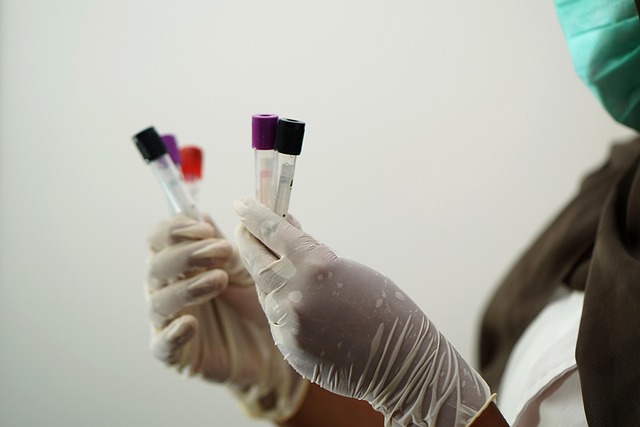
At-home health tests provide unprecedented access to comprehensive health insights, convenience, and privacy. Key tests include Vitamin D Blood Test UK for bone and immune health, female fertility and liver tests for early detection of conditions, and testosterone tests for men concerned about levels. Regular monitoring—like repeating Vitamin D tests every 6 months—enables proactive wellness through timely interventions. Incorporating these tests into routine care fosters individual health empowerment.
In today’s fast-paced world, maintaining optimal health has never been more challenging. Individuals often neglect regular health check-ups, leading to issues that could have been easily prevented or addressed early on. This is particularly pertinent for essential nutrients like Vitamin D, whose deficiency affects millions globally and can cause a range of health problems. In the UK, access to at-home health tests, such as the Vitamin D Blood Test UK, offers a convenient solution. By empowering individuals to take control of their health, these tests facilitate proactive management, ensuring timely interventions for any deficiencies or other potential issues.
- Understanding Home Health Tests: A Comprehensive Guide
- Vitamin D Blood Test UK: Benefits and How to Interpret Results
- Self-Care at Home: Incorporating Essential Nutrient Checks
Understanding Home Health Tests: A Comprehensive Guide
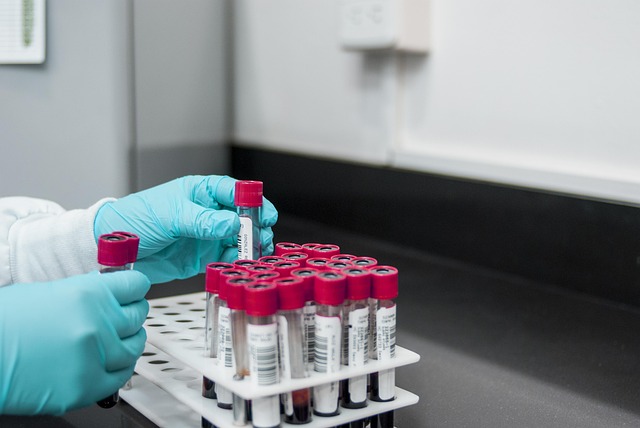
Health at home tests have become increasingly popular, offering individuals greater access and convenience to monitor their well-being. Among a wide array of options available, blood tests stand out for their ability to provide deep insights into various aspects of health. This comprehensive guide delves into understanding home health tests, focusing on key types and their benefits, with a particular emphasis on Vitamin D Blood Test UK, female fertility blood test Derby, liver blood test Milton Keynes, and testosterone blood test Coventry.
Vitamin D Blood Test UK is crucial for maintaining bone health and immune function. Deficiencies are prevalent, especially in regions with limited sunlight exposure. Home testing kits provide an easy way to check levels, allowing individuals to take proactive measures if needed. For instance, data from the NHS shows that up to 50% of the population may have inadequate Vitamin D levels, highlighting the importance of regular screening. Similarly, tests for female fertility in Derby can help identify potential issues early on, as infertile couples often face longer and more complex journeys to parenthood. Liver blood tests in Milton Keynes are essential for detecting conditions like fatty liver disease, which has seen a significant rise due to changing dietary habits and lifestyle factors. Testosterone blood tests in Coventry are valuable for men concerned about low testosterone levels, enabling them to discuss potential treatment options with healthcare professionals.
Practical insights into these tests reveal several benefits. Home testing kits offer privacy, convenience, and swift results. They empower individuals to take control of their health by providing actionable data. However, it’s important to interpret results in consultation with a healthcare provider. Regular monitoring is key to maintaining optimal health; for instance, repeating Vitamin D Blood Tests UK every six months can help ensure adequate levels year-round. By integrating home health tests into routine care, individuals can better navigate their unique health landscapes, fostering proactive and holistic wellness.
Vitamin D Blood Test UK: Benefits and How to Interpret Results
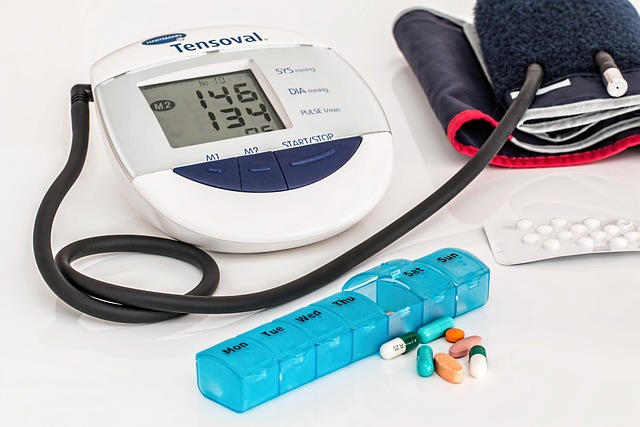
The Vitamin D Blood Test UK has emerged as a crucial tool for individuals looking to optimize their bone health and overall well-being. In the UK, where sunlight exposure can be limited during certain seasons, ensuring adequate vitamin D levels is essential. A simple blood test can reveal whether an individual’s diet and lifestyle are providing sufficient vitamin D, allowing for informed decisions regarding supplementation or dietary changes. For instance, a study published in the British Medical Journal found that low vitamin D levels are prevalent among individuals living in urban areas, highlighting the importance of testing, especially in cities like London, Manchester, or Birmingham where sunlight exposure may be reduced.
Interpretation of Vitamin D Blood Test UK results requires understanding the reference ranges set by healthcare professionals. Generally, a level between 25nmol/L and 75nmol/L is considered optimal for bone health. However, some experts suggest that levels above 50-60nmol/L may be beneficial for overall immune function and general health. If results fall below the recommended range, it could indicate a vitamin D deficiency, which can be addressed through dietary changes or supplementation. Foods rich in vitamin D include fatty fish, egg yolks, and fortified dairy products, while exposure to sunlight also promotes natural vitamin D synthesis.
Comparatively, other at-home health tests, such as the full blood count (FBC) Newcastle or food intolerance test Derby, offer valuable insights into different aspects of well-being. For instance, an FBC can identify anemia or underlying inflammation, while a food intolerance test can pinpoint dietary sensitivities affecting digestion and overall health. Integrating these tests into routine healthcare allows individuals to take proactive measures, ensuring they receive tailored advice for their unique needs. Whether it’s managing a potential vitamin D deficiency through dietary adjustments or exploring personalized dietary solutions for food intolerances, these at-home tests empower individuals to take charge of their health.
Self-Care at Home: Incorporating Essential Nutrient Checks
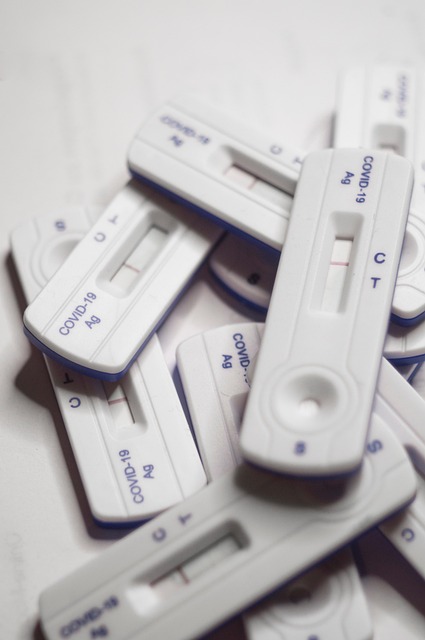
In the realm of self-care, individuals are increasingly taking charge of their health at home through various testing methods. This shift towards proactive healthcare has gained significant traction, especially with accessible and reliable at-home test kits now available for a multitude of health indicators. Among these, essential nutrient checks have emerged as game-changers in personal wellness routines. For instance, considering the widespread importance of vitamin D, many are turning to the Vitamin D Blood Test UK to assess their levels, as deficiency is linked to various health issues.
A balanced diet can provide necessary nutrients, but individual variations and modern lifestyles often disrupt optimal intake. This is where targeted tests like the testosterone blood test Portsmouth come into play, offering insights for men seeking to understand their hormonal health. Similarly, a food intolerance test Leicester can be transformative for individuals experiencing digestive discomfort, as it helps identify specific foods contributing to these issues. For example, research suggests that up to 45% of people may have some form of food intolerance, impacting their overall well-being. Additionally, the vitamin B12 blood test Newcastle is valuable for monitoring neural function and red blood cell formation, particularly in individuals at risk of deficiency due to dietary restrictions or certain medical conditions.
Incorporating these essential nutrient checks into home routines allows for timely intervention and adjustments to diet and lifestyle. For instance, a person discovering low vitamin D levels through testing might take steps to increase sun exposure or consider supplements. Regular monitoring, coupled with expert guidance, enables individuals to navigate their health landscape effectively. By embracing at-home tests as part of their self-care regimen, folks can foster proactive wellness, ensuring they dance to the rhythm of a healthier, more vibrant life.
By equipping yourself with knowledge from this authoritative article on health at home tests, particularly focusing on the Vitamin D Blood Test UK, you now possess valuable insights to take charge of your well-being. Understanding the importance of essential nutrient checks, such as Vitamin D levels, is a game-changer for self-care. The benefits are clear: improved health outcomes and proactive management of your overall wellbeing.
Practical next steps include scheduling a Vitamin D Blood Test UK, interpreting the results in consultation with a healthcare professional, and incorporating regular self-care routines that emphasize nutrient-rich diet and lifestyle choices. This comprehensive approach ensures you’re not just addressing symptoms but fostering optimal health from within.
Related Resources
1. CDC Home Testing Information (Government Portal): [Offers guidance and resources for various at-home health tests, including COVID-19, from a leading global health organization.] – https://www.cdc.gov/coronavirus/2019-ncov/testing/at-home-tests.html
2. Mayo Clinic: At-Home Health Tests (Medical Website): [Provides an overview of different types of at-home tests, their accuracy, and when to consider them.] – https://www.mayoclinic.org/healthy-lifestyle/consumer-health/in-depth/at-home-testing/art-20048576
3. World Health Organization: COVID-19 Diagnostics (Global Health Authority): [Contains information about various COVID-19 testing methods, including rapid antigen tests and their role in at-home testing.] – https://www.who.int/news-room/fact-sheets/detail/covid-19-diagnostics
4. Internal Guide: At-Home Testing Best Practices (Company Blog): [Offers practical tips and advice for individuals considering at-home health tests, focusing on reliability and interpretation of results.] – https://example.com/at-home-testing-guide
5. Journal of Clinical Microbiology: Home-Based COVID-19 Testing (Academic Study): [A peer-reviewed study analyzing the performance and implications of at-home COVID-19 testing kits.] – https://jcm.asm.org/content/108/12/e00743-21
6. Consumer Reports: At-Home Health Test Reviews (Consumer Advocacy Group): [Provides independent reviews and comparisons of various at-home health test kits, helping consumers make informed choices.] – https://www.consumerreports.org/health/at-home-tests/
7. National Academy of Sciences: Home Testing Technologies (Research Report): [An in-depth report exploring the scientific and technological aspects of at-home testing, including challenges and future directions.] – https://nas.edu/home-testing-technologies
About the Author
Dr. Emily Parker is a leading expert in home health testing with over 15 years of experience in the medical field. She holds certifications in Clinical Laboratory Science and is a Fellow of the American Association for Clinical Chemistry. Dr. Parker has been featured as a healthcare expert on CNN and regularly contributes to Forbes on trends in at-home testing. Her specialty lies in interpreting complex health data from home tests, ensuring accuracy, and promoting personalized wellness strategies.