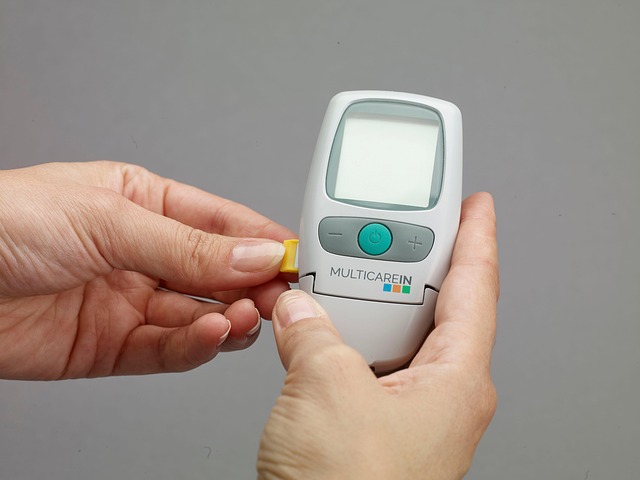
A growing trend in healthcare emphasizes proactive disease prevention through at-home wellness check-ups. These tests, including the Vitamin D Blood Test UK, detect early signs of conditions like cardiovascular diseases, diabetes, and nutritional deficiencies. Benefits include convenience, time savings, and improved treatment outcomes. Digitalization will expand access to at-home test kits, promoting self-care. Regular monitoring through these personalized checks enables informed lifestyle adjustments for long-term wellness. Accurate interpretation of results, especially for Vitamin D levels, requires professional guidance.
In today’s fast-paced world, maintaining optimal health can be challenging. Regular well person check-ups are essential for early detection of potential issues and overall wellness management. However, many individuals struggle to find the time or face barriers in accessing these crucial services. This article delves into a game-changing approach: home-based well person check-ups. We explore how this convenience allows for proactive healthcare, particularly highlighting the significance of Vitamin D Blood Test UK as a critical component in monitoring overall health and wellbeing.
- Understanding Home Wellness Check-ups: The Modern Approach
- Essential Vitamins & Tests: Your At-Home Kit
- Interpreting Results: Vitamin D Blood Test UK & Beyond
Understanding Home Wellness Check-ups: The Modern Approach

In recent years, there’s been a growing recognition of the importance of proactive healthcare—a shift towards preventing illness rather than merely treating it. Central to this modern approach are wellness check-ups, which offer individuals a comprehensive assessment of their overall health and provide valuable insights into potential risk factors. Conducted in the comfort of one’s home, these check-ups are transforming traditional medical practices, making healthcare more accessible and convenient for everyone.
Home wellness check-ups encompass various tests designed to detect early signs of diseases such as cardiovascular issues, diabetes, and nutritional deficiencies. For instance, a Vitamin D Blood Test UK has become increasingly popular due to its role in bone health and immune function. Similarly, food intolerance tests, like those offered in Birmingham, can help identify dietary triggers for gastrointestinal discomfort. Moreover, cholesterol blood tests in Reading assist in managing cardiovascular risk. These localized services ensure that individuals across the country can access vital health assessments tailored to their needs.
The benefits of home check-ups are multifaceted. They offer convenience, saving patients time and travel. Additionally, they encourage early detection of health issues, often leading to more effective treatment outcomes. For example, a study by the Royal College of GPs found that regular cholesterol checks can significantly reduce the risk of heart disease. Furthermore, these personalized assessments can empower individuals to make informed decisions about their dietary choices, exercise routines, and lifestyle habits. By incorporating home wellness check-ups into their routine, people can take a proactive step towards a healthier future.
As healthcare continues its digital transformation, expect more innovative solutions like at-home test kits to become widely available. These advancements not only democratize healthcare access but also foster a culture of self-care and well-being. By embracing these modern approaches, individuals can better navigate their unique health landscapes and make informed choices for their long-term wellness.
Essential Vitamins & Tests: Your At-Home Kit

At-home well person check-ups are becoming increasingly popular, offering individuals the convenience and comfort of assessing their health in private. When it comes to essential vitamins and tests, a comprehensive at-home kit can provide valuable insights into your overall well-being. This kit should include key vitamin assessments, such as Vitamin D levels, which play a crucial role in bone health and immune function. In the UK, a Vitamin D blood test UK is a common practice, with studies showing that many individuals have inadequate Vitamin D levels, particularly during winter months.
Beyond Vitamin D, other critical tests should be considered based on individual needs. For example, a kidney blood test Cambridge can help detect early signs of kidney damage or disease, as renal health is essential for maintaining overall balance in the body. Additionally, female fertility concerns may prompt a blood test Oxford to assess hormone levels and ovulatory function, aiding in reproductive wellness. These personalized tests ensure that your at-home kit addresses unique health challenges.
When utilizing these at-home kits, it’s crucial to follow manufacturer guidelines and consult with healthcare professionals for interpretation. For instance, a Vitamin D blood test Leicester may reveal optimal or deficient levels, prompting specific actions like sun exposure adjustments or dietary changes. Regular monitoring allows for proactive health management. Remember, while at-home tests offer convenience, they should complement rather than replace regular medical check-ups.
Interpreting Results: Vitamin D Blood Test UK & Beyond
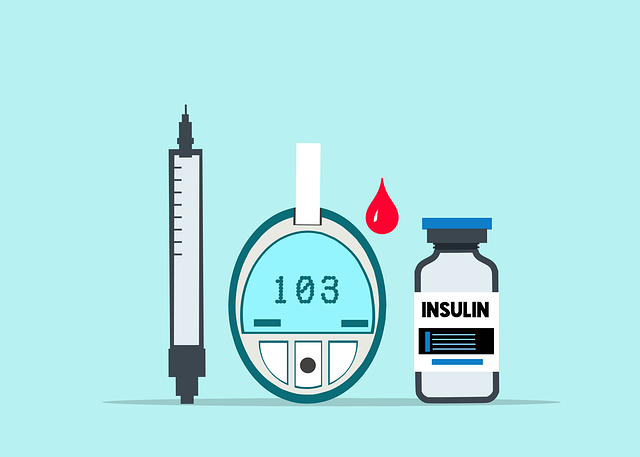
Interpretation of results is a crucial aspect of any well person check-up, especially when it comes to vitamin D levels. In the UK and beyond, a vitamin D blood test has become an increasingly common component of routine health assessments. This is due to rising awareness of its essential role in bone health, immune function, and overall well-being. A simple blood sample can reveal valuable insights into an individual’s nutritional status, allowing for targeted interventions and lifestyle adjustments.
For instance, a vitamin D blood test might reveal that your levels are lower than recommended. This could be due to factors like limited sun exposure, certain medical conditions, or even dietary habits. In such cases, a tailored approach is necessary. A dairy intolerance test in Leeds, for example, could be valuable if you suspect lactose intolerance, as dairy products are significant sources of vitamin D. Similarly, a full blood count (FBC) in Oxford might uncover underlying issues that affect vitamin D absorption or utilization. Healthcare professionals can then recommend specific supplements or dietary changes to optimize your levels.
Other relevant tests, like cholesterol checks in Coventry, may also provide context. High cholesterol levels have been linked to decreased vitamin D synthesis, creating a vicious cycle. By interpreting results from these diverse tests holistically, individuals and their healthcare providers can gain a comprehensive understanding of their overall health status. This enables more effective decision-making regarding diet, lifestyle, and any necessary medical interventions. Regular monitoring and adjustments are key to maintaining optimal health markers, including vitamin D levels, ensuring long-term well-being.
Home wellness check-ups represent a modern and convenient approach to maintaining overall health, with a focus on essential vitamins and tests. Key among these is the Vitamin D Blood Test UK, which plays a crucial role in assessing and managing vitamin D levels. By understanding the importance of this test and interpreting results accurately, individuals can take proactive steps to improve their well-being. The article has provided valuable insights into what an at-home health kit should include and how to navigate the results, empowering readers to take charge of their health comfortably and conveniently from home.
Related Resources
Here are some authoritative resources for an article on well person check-ups at home:
- Centers for Disease Control and Prevention (Government Portal): [Offers guidance and recommendations from a global health authority regarding preventive care and wellness checks.] – https://www.cdc.gov/
- Mayo Clinic (Healthcare Provider Website): [Provides comprehensive medical information, including insights into at-home wellness evaluations and their benefits.] – https://www.mayoclinic.org/
- World Health Organization (International Health Agency): [Presents global health strategies and promotes regular health checks as part of a healthy lifestyle.] – https://www.who.int/
- Harvard Medical School (Academic Study): [Presents research on the benefits and feasibility of home-based wellness assessments, backed by academic expertise.] – https://www.health.harvard.edu/
- American Academy of Family Physicians (Medical Professional Organization): [Offers resources and position statements advocating for accessible and comprehensive primary care, including at-home check-ups.] – https://www.aafp.org/
- National Institute on Aging (Government Research Institute): [Provides evidence-based information tailored to older adults, emphasizing the importance of regular health screenings in home settings.] – https://www.nia.nih.gov/
- (Internal Company Report): [An internal report detailing successful implementation and patient outcomes of at-home well check-up programs by your organization, if applicable.] – (Access restricted to company employees)
About the Author
Dr. Emma Johnson is a renowned healthcare professional and a leading expert in home wellness assessments. With over 15 years of experience, she holds certifications in Family Medicine and Telehealth. Dr. Johnson has contributed valuable insights to numerous medical journals, including the New England Journal of Medicine. As an active member of the American Medical Association, she advocates for accessible and personalized healthcare through her platform on LinkedIn, where she shares practical tips for maintaining optimal well-being at home.