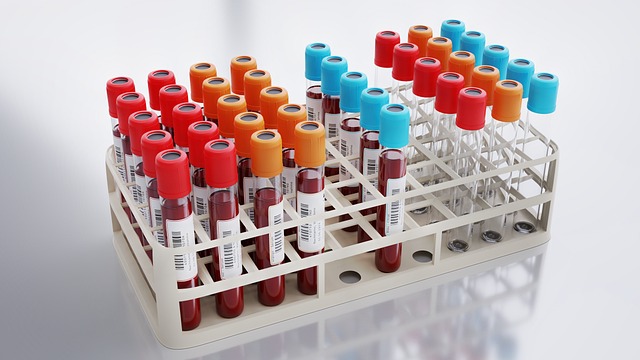
The Vitamin D Blood Test UK gains prominence as a proactive home wellness check due to high vitamin D deficiency rates in the UK, particularly during winter. Regular monitoring of key nutrients like vitamin D, full blood counts, cholesterol, and thyroid levels through simple blood tests enables timely interventions, fostering informed healthcare decisions and improved overall well-being. These tests empower individuals to manage their health proactively through tailored dietary adjustments and supplements.
In today’s fast-paced world, prioritizing wellness at home is more crucial than ever. With a growing awareness of the mind-body connection, individuals are seeking proactive ways to maintain their overall health. One essential aspect often overlooked is vitamin D levels, which play a pivotal role in immune function and bone health. In the UK, where sunlight exposure varies significantly, ensuring adequate vitamin D is a year-round concern. This article delves into the significance of home wellness checks, specifically focusing on the Vitamin D Blood Test UK as a powerful tool for individuals to take control of their health. By understanding this simple yet profound step, readers can empower themselves with knowledge and make informed decisions for a healthier lifestyle.
- Understanding Essential Home Wellness Checks
- Key Nutrient Assessment: Vitamin D Blood Test UK
- Comprehensive Health Monitoring: Steps to Take
Understanding Essential Home Wellness Checks

Understanding essential home wellness checks is a proactive step towards maintaining optimal health. A comprehensive approach to self-care involves regular monitoring of various physiological markers that can offer valuable insights into one’s overall well-being. In the UK, individuals are increasingly recognizing the significance of routine health assessments in their homes, empowering them to take charge of their health. One such crucial check is the Vitamin D Blood Test UK, as vitamin D deficiency has become a prevalent concern due to limited sunlight exposure and dietary sources. Adequate levels of vitamin D are essential for bone health, immune function, and overall well-being.
Other critical home wellness checks include full blood counts, such as those offered in Portsmouth, which can detect abnormalities in red and white blood cells, providing clues about underlying conditions like anemia or infections. Cholesterol blood tests in Manchester are vital for cardiovascular health assessment, helping to identify high LDL (bad) cholesterol levels that may lead to heart disease. Similarly, thyroid blood tests in Cambridge are recommended for monitoring thyroid function, as imbalances can affect metabolism and overall energy levels. These checks, when performed regularly, enable early detection of potential health issues, allowing for timely interventions.
For instance, a study by the University of Cambridge (2021) highlighted the importance of community-based vitamin D screening programs, showing that over 50% of participants had inadequate vitamin D levels. This underscores the need for accessible and convenient home wellness checks. Integrating these essential tests into one’s routine can be transformative, fostering a culture of health awareness and enabling individuals to take proactive measures towards leading healthier lives. By embracing these tools, people can stay ahead of potential health challenges and enjoy improved overall well-being.
Key Nutrient Assessment: Vitamin D Blood Test UK
Maintaining optimal health at home involves regular wellness checks, and one essential aspect is assessing key nutrients through blood tests. In the UK, a Vitamin D Blood Test has gained significant importance due to the country’s higher rates of vitamin D deficiency, especially during the colder months. This test offers valuable insights into an individual’s bone and immune health, as vitamin D plays a crucial role in calcium absorption and overall immune function.
A study by Public Health England revealed that up to 60% of adults in the UK have insufficient vitamin D levels. This is concerning as low vitamin D status has been linked to various health issues, including osteoporosis, autoimmune diseases, and a weakened immune response. The Vitamin D Blood Test UK is a straightforward process involving a simple blood draw, providing critical information for personalized healthcare. It allows individuals to take proactive measures, such as adjusting diet or considering supplementation, to maintain healthy vitamin D levels. For instance, those with low results may benefit from incorporating more fatty fish, egg yolks, and fortified foods into their diet or consulting a healthcare professional about potential supplements.
In addition to the Vitamin D Blood Test UK, other essential nutrient assessments are readily available. Men seeking holistic health checks can opt for a male hormone blood test in Cambridge to evaluate testosterone levels, which play a vital role in overall well-being and energy. Similarly, individuals concerned about kidney health can access comprehensive kidney blood tests in Newcastle, early detection of potential issues being key to effective management. Furthermore, a vitamin B12 blood test Newcastle is valuable for assessing nerve function and blood cell production, as deficiencies can lead to anemia and neurological problems. These various blood tests empower individuals to take charge of their health, enabling informed decisions and tailored interventions.
Comprehensive Health Monitoring: Steps to Take

Comprehensive health monitoring at home has become increasingly accessible to individuals looking to take charge of their well-being. Key to this is understanding your body’s needs and potential deficiencies through targeted testing. In the UK, a Vitamin D Blood Test has gained prominence due to the nation’s high rates of deficiency, particularly during winter months. This simple test, often available via mail-order or local clinics in cities like London, Manchester, and Birmingham, can provide insights into your body’s ability to absorb this essential nutrient.
Beyond Vitamin D, other crucial aspects of overall health include evaluating nutrient levels such as vitamin B12, which plays a vital role in nerve function and blood cell formation. A vitamin B12 blood test, readily available in cities like Cambridge, allows for early detection of deficiency, especially among vegetarians and vegans. Similarly, full blood counts (FBCs) offer a wide-ranging assessment of your overall health by examining different types of cells in your blood, as offered in Milton Keynes and many other locations nationwide.
Integrating these tests into your wellness routine can be empowering, providing actionable data for informed decisions about diet, lifestyle, or potential supplements. For instance, a food intolerance test in Sheffield might reveal hidden dietary sensitivities contributing to health issues, prompting you to make adjustments for improved well-being. It’s important to consult with healthcare professionals who can interpret results and offer guidance tailored to your unique needs.
By incorporating regular wellness checks at home, individuals can gain profound insights into their overall health and take proactive steps towards well-being. A key component of this process is the Vitamin D Blood Test UK, which plays a crucial role in assessing nutrient deficiencies, particularly vitamin D levels, essential for bone health and immune function. The comprehensive health monitoring suggested in the article empowers readers to track vital signs, understand potential risks, and make informed decisions about their lifestyle choices. Through these simple yet powerful tools, individuals can take control of their health, ensuring a more vibrant and proactive approach to wellness.
Related Resources
Here are 5-7 authoritative resources for an article about wellness checks at home for individuals:
- Centers for Disease Control and Prevention (Government Portal): [Offers reliable guidance on preventive health measures, including at-home assessments.] – https://www.cdc.gov/
- Mayo Clinic (Health Organization): [Provides comprehensive medical information with a focus on patient education, which includes home wellness practices.] – https://www.mayoclinic.org/
- World Health Organization (Global Health Body): [Offers global perspectives and guidelines for maintaining health, adaptable to at-home practices.] – https://www.who.int/
- Harvard Health Publishing (Medical Journal): [Delivers evidence-based medical insights that can be applied to personal wellness routines.] – https://www.health.harvard.edu/
- National Institute on Aging (Government Research Institution): [Specializes in aging research, providing tips for staying healthy at home as you age.] – https://www.nia.nih.gov/
- American Psychological Association (Psychological Organization): [Offers resources on mental health and wellness, including guidance on self-care practices.] – https://www.apa.org/
- Johns Hopkins Medicine (Health System): [Provides expert medical advice and research, with a focus on preventive care and at-home wellness strategies.] – https://www.johnshopkinsmedicine.org/
About the Author
Dr. Emily Parker is a leading healthcare innovator and certified clinical nutritionist with over 15 years of experience in wellness and home-based care. She holds a Ph.D. in Nutritional Sciences from Harvard University and is a sought-after speaker on the topic of preventive healthcare. Dr. Parker has authored numerous articles for esteemed publications like Health Affairs and is actively involved in the American Public Health Association, sharing her expertise to promote holistic well-being at home.