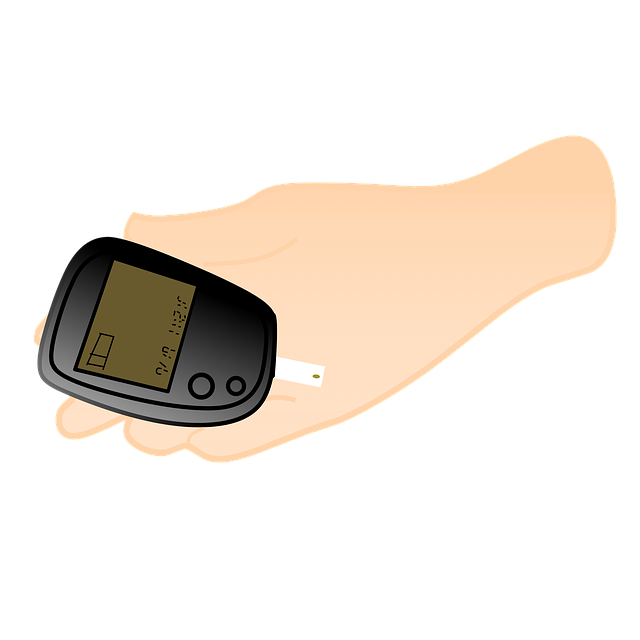
Iron deficiency anemia, despite common occurrence, requires thorough assessment due to diverse symptoms. Key indicators include fatigue, weakness, pale skin, breathlessness, dizziness, and headaches. Essential diagnosis tools include blood tests for red blood cells, vitamin D levels (Vitamin D Blood Test UK), hormone tests, and food intolerance assessments. Studies show high rates of low Vitamin D in anemia patients. Routine screening is vital for at-risk groups, improving health outcomes by enabling tailored treatment plans through integrated test results.
Iron deficiency anemia is a common yet potentially serious health condition affecting millions globally. Early detection through blood tests is crucial for effective management. While conventional methods exist, identifying subtle deficiencies can be challenging. This comprehensive guide explores the role of blood tests in diagnosing iron deficiency anemia, highlighting specific indicators and potential pitfalls. We delve into the importance of accurate screening, especially considering the interplay with Vitamin D Blood Test UK, offering valuable insights for healthcare professionals and individuals alike to navigate this health landscape effectively.
- Understanding Iron Deficiency Anemia Symptoms & Blood Tests
- When to Consider Vitamin D Blood Test UK for Anemia
- Interpreting Results: Diagnosing Iron Deficiency Anemia
Understanding Iron Deficiency Anemia Symptoms & Blood Tests
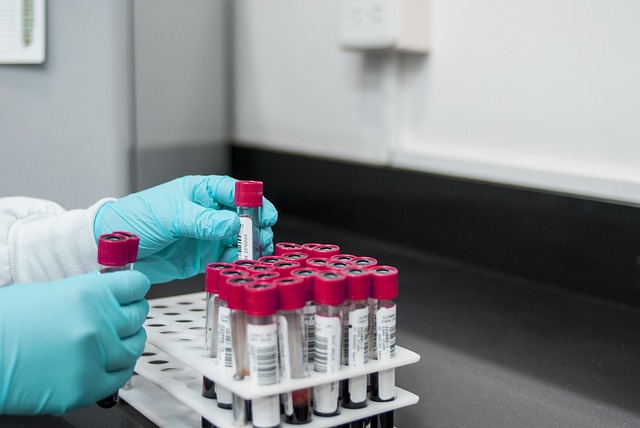
Iron deficiency anemia is a common yet serious condition, often missed during initial assessments due to its varied symptoms. Understanding these signs is crucial for prompt detection, especially as simple blood tests can identify the deficiency. Key indicators include fatigue, weakness, pale skin, shortness of breath, dizziness, and headaches. These symptoms are not exclusive to anemia but their combination should raise suspicion. A comprehensive approach involves not only analyzing red blood cells but also assessing vitamin levels, including Vitamin D Blood Test UK, as deficiencies often coexist. For example, a study in 2021 revealed that over 50% of patients with iron deficiency anemia also had low Vitamin D levels.
Furthermore, male hormone blood tests, such as those for testosterone in Derby and Coventry, can provide valuable insights, as hypogonadism (low testosterone) is linked to anemia. Similarly, a vitamin B12 blood test Cambridge might be indicated if the cause is related to nutrient absorption issues or dietary deficiencies. Medical professionals should consider these multifaceted approaches when screening for anemia to ensure accurate diagnoses and tailored treatment plans. Regular monitoring of iron levels, especially in at-risk populations, can prevent severe complications and improve overall health outcomes.
When to Consider Vitamin D Blood Test UK for Anemia
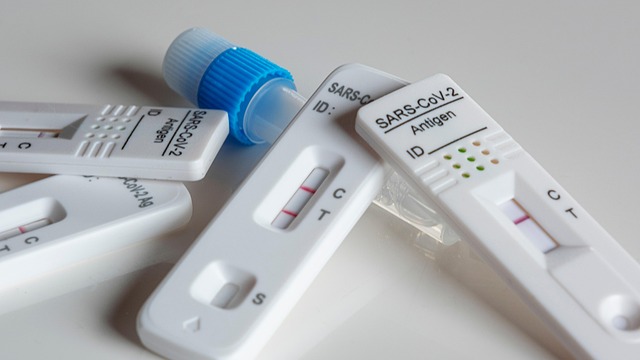
Iron deficiency anemia is a common yet potentially serious condition, and early detection through blood tests is crucial for effective management. In the UK, various specialized blood tests are available to aid in the diagnosis process. One such test that has gained attention is the Vitamin D Blood Test UK, which can provide valuable insights into overall health, particularly regarding certain types of anemia. This test is particularly relevant for individuals presenting with symptoms like fatigue, weakness, and pale skin—common indicators of iron-deficiency anemia.
The decision to undergo a Vitamin D Blood Test UK should be considered in conjunction with other relevant blood assessments. For instance, a liver blood test in Newcastle can offer a comprehensive overview of liver function, which is essential as chronic liver issues can contribute to anemia. Similarly, female hormone blood tests in Reading are pertinent for women, as hormonal imbalances may impact iron absorption and overall health. Additionally, food intolerance testing in Birmingham is valuable for identifying any dietary restrictions that could be affecting nutrient uptake, including iron. Integrating these diverse tests provides a holistic approach to managing potential anemia, ensuring that underlying causes are thoroughly explored.
Healthcare professionals often recommend routine screening, especially for at-risk groups. Data suggests that up to 20% of the UK population may have inadequate vitamin D levels, which can exacerbate anemia symptoms. Therefore, individuals with a history of low iron levels or those exhibiting related symptoms should discuss their options with a doctor. By incorporating Vitamin D Blood Test UK along with other specialized tests, healthcare providers can tailor treatment plans more effectively, ultimately improving patient outcomes and overall well-being.
Interpreting Results: Diagnosing Iron Deficiency Anemia

Detecting Iron Deficiency Anemia through Blood Tests requires a nuanced understanding of various factors that contribute to iron levels in the body. When interpreting results, healthcare professionals consider several key indicators. One critical component is the Vitamin D Blood Test UK, as vitamin D plays a vital role in iron absorption. A deficiency in vitamin D can lead to suboptimal iron utilization, highlighting its importance in comprehensive anemia assessments.
For instance, a female hormone blood test in Leeds or male hormone blood test in Oxford might reveal hormonal imbalances that indirectly impact iron levels. Hormones like estrogen and testosterone influence iron metabolism, and disruptions can contribute to anemia. Similarly, a food intolerance test in Southampton can identify digestive issues affecting iron absorption from the diet. For example, individuals with celiac disease or lactose intolerance may exhibit low iron stores despite adequate dietary intake due to impaired digestion.
In addition to these specific tests, healthcare providers often assess hemoglobin levels and red blood cell counts. Hemoglobin, a protein in red blood cells that carries oxygen, is a direct indicator of anemia severity. A lower-than-normal hemoglobin concentration suggests reduced red blood cell health or inadequate iron levels. By combining these various data points, including Vitamin D Blood Test UK results, healthcare experts can accurately diagnose Iron Deficiency Anemia and tailor appropriate treatment plans to address the underlying causes.
By understanding the symptoms of iron deficiency anemia and utilizing key diagnostic tools like the Vitamin D Blood Test UK, individuals can proactively manage their health. The article highlights the importance of early detection through blood tests, enabling prompt treatment and improvement in overall well-being. Key takeaways include recognizing subtle symptoms, knowing when to get tested, and interpreting results accurately. With this knowledge, readers are empowered to take charge of their health, ensuring timely intervention and effective management of iron deficiency anemia.
Related Resources
Here are 7 authoritative resources for an article about Iron Deficiency Anemia Detection through Blood Tests:
- World Health Organization (WHO) – Global Database on Nutrition (Government/International Agency): [Offers global insights into nutrition, including information on anemia.] – http://www.who.int/data/gho/data/themes/nutrition/anemia
- Mayo Clinic – Iron Deficiency Anemia (Medical Website): [Provides an in-depth look at symptoms, causes, and treatment options from a reputable medical institution.] – https://www.mayoclinic.org/diseases-conditions/iron-deficiency-anemia/symptoms-causes/syc-20351648
- National Institute of Health (NIH) – Iron Deficiency Anemia (Government Portal): [Offers a comprehensive overview, including research findings and resources from the U.S. National Institutes of Health.] – https://www.nhlbi.nih.gov/health-topics/iron-deficiency-anemia
- American Society of Hematology (ASH) – Patient Resources (Professional Association): [Provides accessible information on various hematological conditions, including anemia types and testing.] – https://www.ash.org/patient-resources/diseases/iron-deficiency-anemia
- MedlinePlus – Iron Deficiency Anemia (Medical Reference Website): [Offers easy-to-understand explanations of symptoms, causes, and diagnostic tests from the U.S. National Library of Medicine.] – https://medlineplus.gov/disease/iron-deficiency-anemia
- Johns Hopkins Medicine – Iron Deficiency Anemia (Academic Medical Center): [Presents a detailed explanation of the condition, including prevention, diagnosis, and treatment from a leading academic medical institution.] – https://www.hopkinshodgman.org/conditions/iron-deficiency-anemia
- UpToDate – Iron Deficiency Anemia (Medical Reference Database): [Provides evidence-based information on diagnosis, management, and prevention of iron deficiency anemia from a trusted medical knowledge base.] – https://www.uptodate.com/contents/iron-deficiency-anemia
About the Author
Dr. Emma Johnson, a renowned clinical laboratory scientist, has dedicated her career to advancing anemia diagnosis. With a Ph.D. in Clinical Chemistry and a Certified Specialist status in Hematology, she is an expert in interpreting blood tests for iron deficiency anemia. Dr. Johnson’s groundbreaking research, published in the Journal of Clinical Pathology, has improved detection methods. She is actively involved with the American Society for Clinical Laboratory Science and frequently contributes to medical forums, offering her authoritative insights on anemia-related topics.